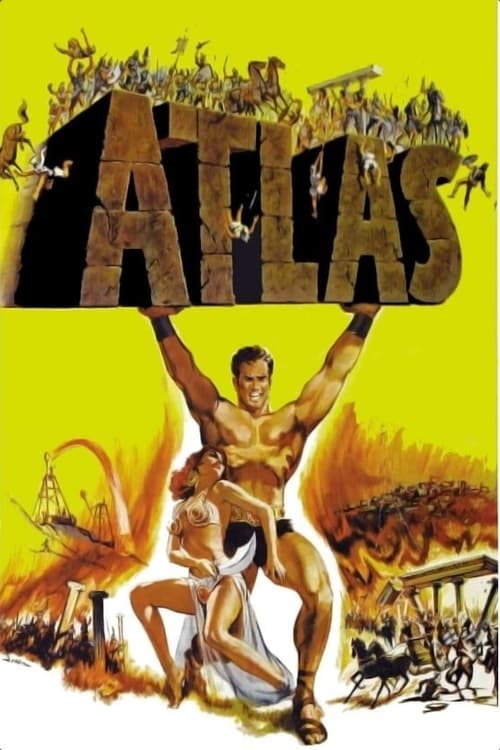
Atlas
1961
No user ratings available yet
Diversity score: 1.5 out of 10

1984
RDirector
Jim Wynorski
Runtime
83 minutes
Average Rating
No ratings yetSynopsis
A police officer and her two companions battle an evil genius with diabolical plans to destroy the world. Whoever can find the three sacred jewels can anticipate total power.
Overall Score
Minimal
Category Breakdown
LGBTQ+ Representation
The film lacks any evidence of non-cisnormative gender identities. It adheres to the standard heteronormative adventure tropes common in 1980s exploitation cinema.
Gender Representation
A female police officer serves as the central, active protagonist. This provides a moderate level of agency by positioning her as the primary hero against an evil genius.
Racial & Ethnic Diversity
The narrative does not indicate a diverse cast. It appears to follow the homogeneous casting standards typical of mid-80s low-budget adventure films.
Religious & Cultural Diversity
The plot relies on classic motifs like sacred jewels and total power. It follows a conventional good versus evil framework rather than exploring complex cultural or religious critiques.
Disability Representation
There is no indication of characters with visible or invisible disabilities. Disability is not utilized as a narrative device within the story.
Strengths
Areas for Improvement
AI Analysis
The Lost Empire is a conventional genre piece that prioritizes action and adventure tropes over sociopolitical depth. While it breaks slightly from tradition by centering a female officer in a position of authority, the film remains rooted in the standard cinematic frameworks of its era. The production lacks intersectional complexity, offering no representation for LGBTQ+ identities, diverse racial groups, or individuals with disabilities. It functions primarily as a straightforward exploitation film focused on a quest for power. Ultimately, the film's impact is limited by its adherence to homogeneous casting and traditional moral structures. It provides a baseline level of female agency but fails to challenge broader systemic or cultural hierarchies.
1961

1987

1994

1987
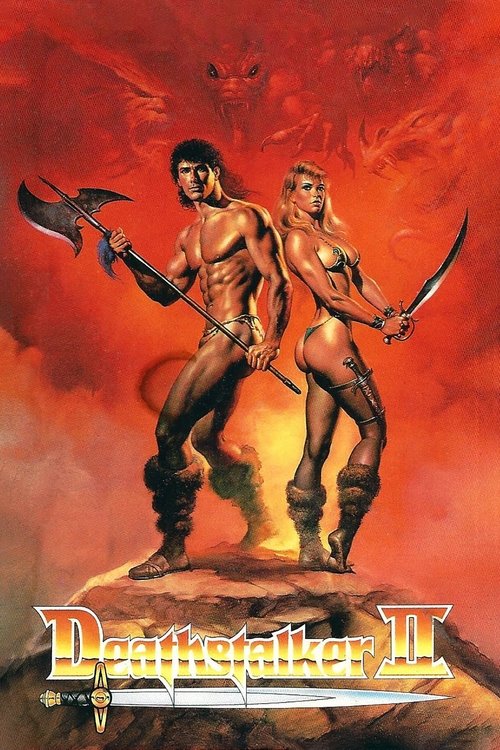
1987
No reviews yet. Be the first to share your thoughts on this movie!
Use the rating form above to leave a star rating and optional review.