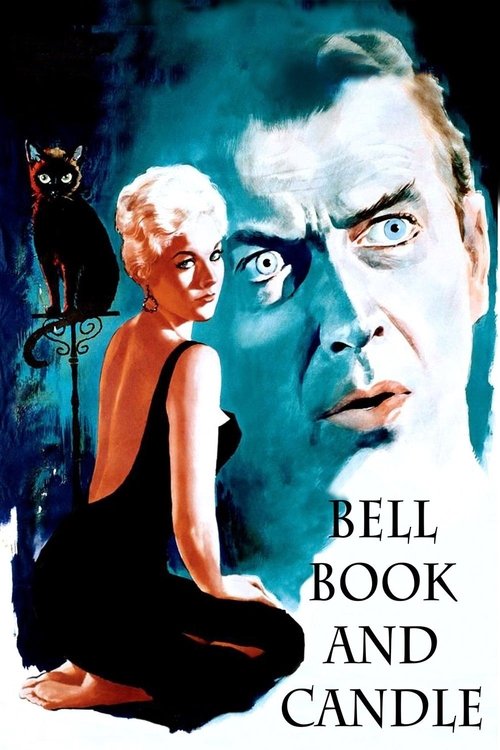
Bell, Book and Candle
1958
No user ratings available yet
Representation score: 3.4 out of 10
Representation Score
Fair
1998
PG-13Director
Griffin Dunne
Runtime
104 minutes
Average Rating
No ratings yetNew Showbiz Analysis
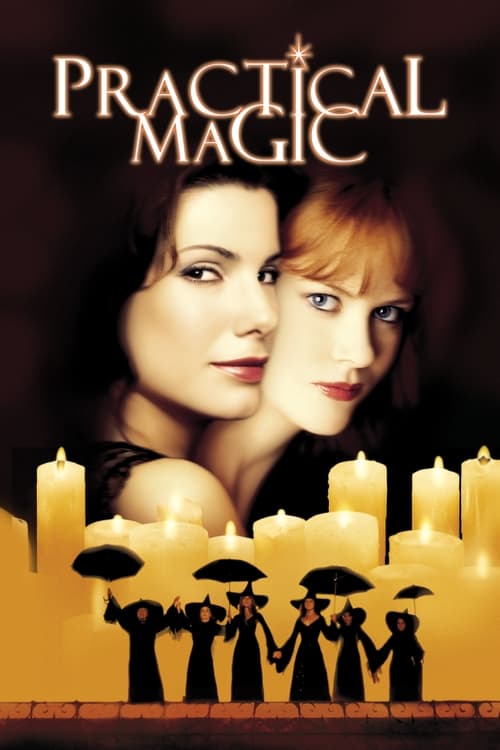
Practical Magic stands out for its emphasis on female autonomy and collective power. By focusing on the Owens sisters, the film challenges traditional gender hierarchies and highlights female solidarity. However, the film's social scope is limited, with a predominantly white, upper-middle-class setting and a lack of diverse ethnic and LGBTQ+ representation. The film succeeds in portraying female autonomy through the lens of witchcraft, even if it does not offer a broad range of ethnic or sexual identities.
Category Breakdown
The film focuses on heterosexual relationships and does not explicitly depict queer identities or non-traditional gender orientations. The bond between the sisters is strong, but there are no clear representations of LGBTQ+ characters.
The film emphasizes female solidarity and challenges traditional gender roles. Female characters use magic to overcome patriarchal threats, highlighting their collective strength and independence.
The cast is primarily white and Anglo-Saxon, reflecting the New England setting. The film does not include diverse ethnic backgrounds to broaden its social scope.
The film highlights ancestral spirituality rather than organized religion. It portrays the witches' outsider status as a form of empowerment, allowing them to bypass conventional societal and religious constraints.
There are no prominent depictions of visible or invisible disabilities that significantly impact the main character arcs or the plot.
Present on Screen
Limited or Absent
Official Synopsis
Sally and Gillian Owens, born into a magical family, have mostly avoided witchcraft themselves. But when Gillian's vicious boyfriend, Jimmy Angelov, dies unexpectedly, the Owens sisters give themselves a crash course in hard magic. With policeman Gary Hallet growing suspicious, the girls struggle to resurrect Angelov -- and unwittingly inject his corpse with an evil spirit that threatens to end their family line.
1958
1942
1993
1993
2022

2016

1992
2008
No reviews yet. Be the first to share your thoughts on this movie!
Use the rating form above to leave a star rating and optional review.