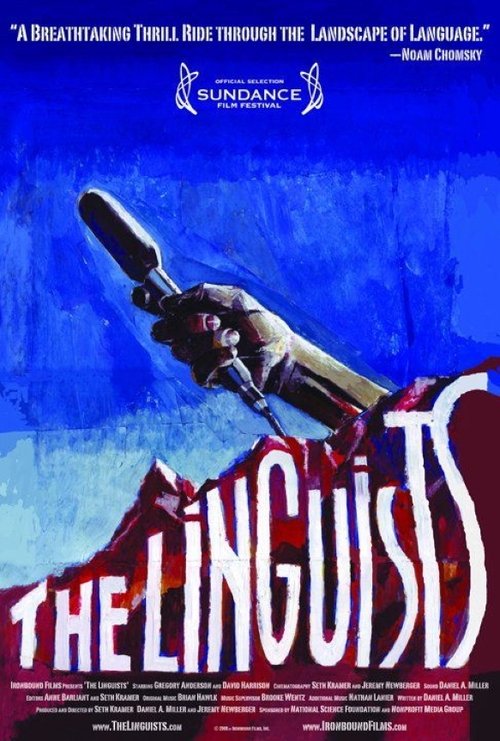
The Linguists
2008
No user ratings available yet
Representation score: 4.7 out of 10
Representation Score
Excellent
2011
PGDirector
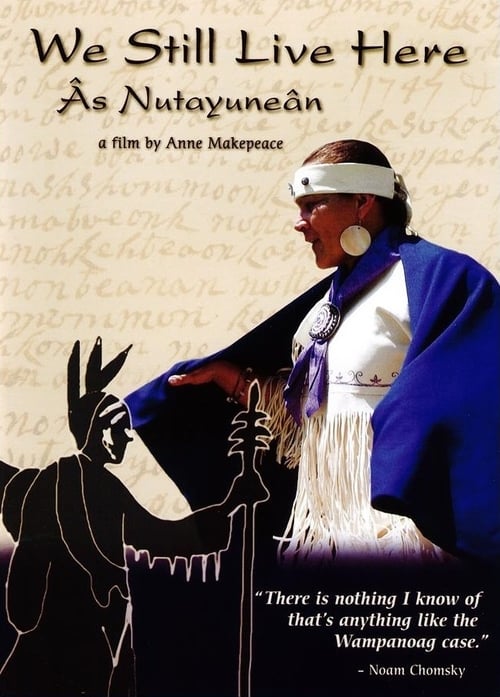
Anne Makepeace
Runtime
56 minutes
Average Rating
No ratings yetNew Showbiz Analysis
The documentary effectively serves as a tool for decolonization, shifting the narrative focus from Western history to indigenous sovereignty. By highlighting the Wampanoag people, it offers a powerful counter-narrative to traditional colonial representations. However, its impact is somewhat limited due to its narrow thematic scope. While it successfully addresses racial and cultural reclamation, it does not engage specifically with LGBTQ+ or disability-focused narratives, leading to a neutral score in these areas. Overall, the film is a compelling exploration of linguistic resilience, effectively challenging historical hierarchies while not extensively covering diverse social identities.
Category Breakdown
The film does not emphasize LGBTQ+ narratives or non-cisgender perspectives, focusing instead on language revitalization.
The documentary highlights collective action rather than patriarchal leadership. It portrays identity as rooted in heritage rather than Western gender roles.
The film centers Wampanoag individuals as key figures, challenging colonial naming practices and empowering the indigenous community.
The narrative prioritizes indigenous spiritual traditions and ancestral connections, presenting the community's resistance to Western institutions.
The film does not focus on physical or cognitive disabilities, maintaining a neutral stance.
Present on Screen
Limited or Absent
Official Synopsis
A documentary about the efforts taken to revitalize the Wampanoag language, which almost died out.
2008

1978
2016

2004

2020
2017
1993

2016
No reviews yet. Be the first to share your thoughts on this movie!
Use the rating form above to leave a star rating and optional review.