
Kaliveedu
1996
No user ratings available yet
Representation score: 1.3 out of 10

Representation Score
Fair
1993
Not RatedDirector
Sibi Malayil
Runtime
113 minutes
Average Rating
No ratings yetNew Showbiz Analysis
Akashadoothu is a poignant domestic drama that excels in character depth rather than social subversion. It provides a powerful look at the psychological weight of familial bonds and the specificities of the Malayali experience. The film offers an authentic and deeply rooted representation of Malayali cultural identity. However, it lacks diversity in terms of LGBTQ+ representation and explores disability primarily through a lens of tragedy.
Category Breakdown
The film focuses on a traditional marriage and does not depict any non-cisgender identities or narratives that challenge conventional gender roles.
Annie demonstrates a significant role in driving the story by choosing to place her children for adoption to ensure their survival. However, the male lead's alcoholism reinforces traditional masculine instability.
The cast reflects a specific Malayali identity, providing an authentic regional representation without Western influence.
The story is deeply rooted in traditional social and familial structures, emphasizing parental responsibility and conventional moral values.
Annie's terminal leukemia is portrayed through its personal and systemic impacts, focusing on the inevitable decline and family sorrow.
Present on Screen
Limited or Absent
Official Synopsis
The Story revolves around Johnny (Murali) and Annie (Madhavi), a married couple.Johnny is a recurrent alcoholic. After an altercation between Johnny and Keshavan (N F Varghese), who is humiliated in front of his family decides to take revenge and hurts one of their kid.During required blood transfusion it is discovered that Annie's is suffering from a late stage of Leukemia and that she only has a couple of months to live. Annie fearing her kids well being gives then up for better future through adoption.
1996

1989

1992

2010
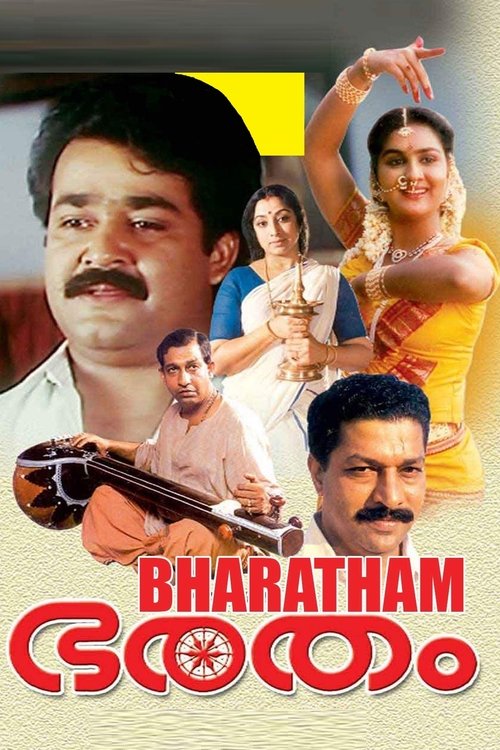
1991

2012

2005

2010
No reviews yet. Be the first to share your thoughts on this movie!
Use the rating form above to leave a star rating and optional review.