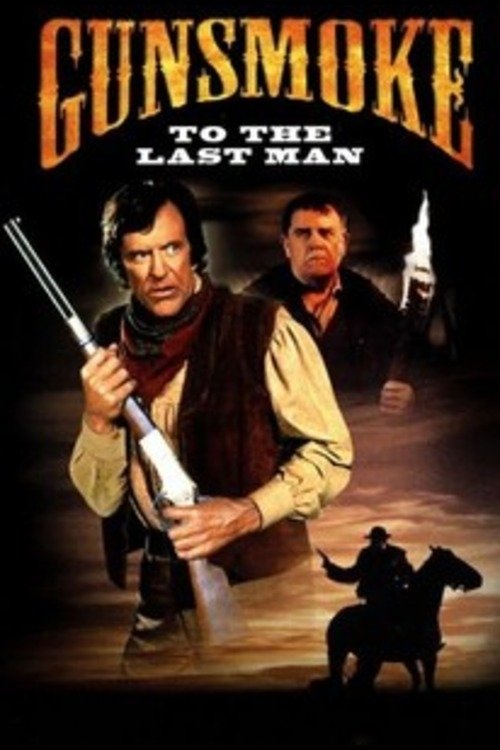
Gunsmoke: To the Last Man
1992
No user ratings available yet
Representation score: 0.6 out of 10

Representation Score
Minimal
1987
Not RatedDirector
Burt Kennedy
Runtime
140 minutes
Average Rating
No ratings yetNew Showbiz Analysis
The film operates as a traditional historical drama that leans heavily on established Western clichés. It emphasizes classical themes of heroism and masculine leadership, resulting in a narrow narrative scope. By sticking to a conventional, historically conventional perspective, the film reinforces traditional hierarchies. It avoids challenging the cultural norms of the frontier, choosing instead to uphold foundational American myths. Overall, the lack of diverse representation and the focus on a patriarchal, Anglo-centric viewpoint restricts the film's range of perspectives.
Category Breakdown
The film follows traditional 19th-century social norms and does not include any non-straight or non-cisgender identities. Same-sex relationships or intimacy are not present, focusing instead on traditional male bonds.
The story focuses on male characters like Travis, Bowie, and Crockett, who have significant roles in driving the plot. Women are given secondary, domestic, or supportive roles within a patriarchal structure.
The film centers on a predominantly white, Anglo-Saxon perspective of the conflict. Although Mexican forces are part of the story, there is a lack of diverse ethnic voices among the main characters.
The film upholds traditional Western values such as patriotism and duty. It portrays the struggle for independence through a lens of classical heroism without questioning Western institutions.
The film does not address neurodivergence or physical disabilities. Characters are portrayed as able-bodied combatants, with no exploration of systemic challenges related to disability.
Present on Screen
Limited or Absent
Official Synopsis
Against orders and with no help of relief Texas patriots led by William Travis, Jim Bowie, and Davy Crockett defend the Alamo against overwhelming Mexican forces.
1992
1960
1971
1955

1986

1965

1988

2004
No reviews yet. Be the first to share your thoughts on this movie!
Use the rating form above to leave a star rating and optional review.