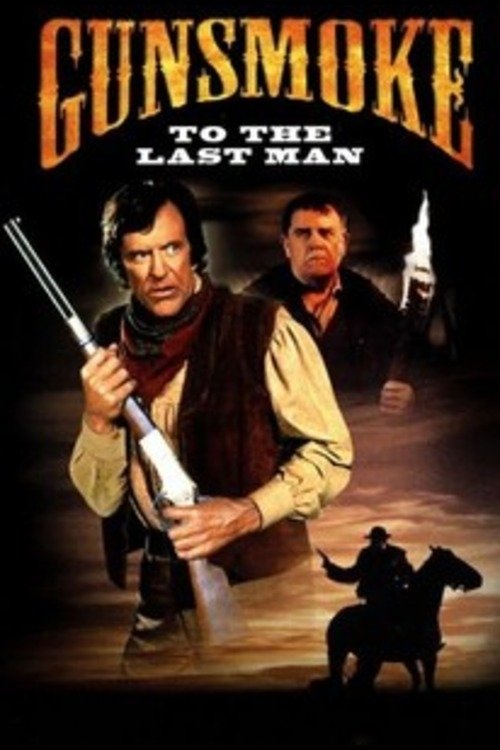
Gunsmoke: To the Last Man
1992
No user ratings available yet
Representation score: 0.6 out of 10
Representation Score
Limited
1978
Director
Richard T. Heffron
Runtime
93 minutes
Average Rating
No ratings yetNew Showbiz Analysis
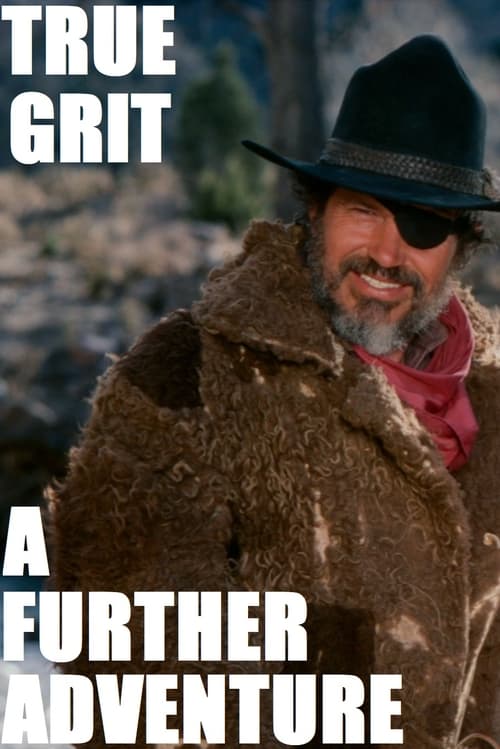
True Grit: A Further Adventure is a product of its era, relying heavily on established Western clichés. The narrative prioritizes traditional gender roles and the archetype of the rugged individualist, offering little disruption to the social norms of the 1970s. While the inclusion of a female character who attempts to reform the protagonist provides a slight shift in dynamics, the power structure remains centered on the male lead. The film functions as a standard genre piece that upholds conventional notions of frontier justice. Ultimately, the production lacks depth in representing multiple aspects of identity and adheres to the homogeneous social frameworks prevalent in 1970s television Westerns.
Category Breakdown
The film does not include any characters with non-binary or LGBTQ+ identities. It follows the assumption that everyone is straight and cisgender, which was common in 1970s television.
A teenage girl acts as a moral guide for the main character. However, she mainly serves to influence the male protagonist's growth rather than having her own independent role.
The story follows typical white-centric portrayals common in Western films of the time. It reflects the homogeneous casting and social norms of 1970s frontier narratives.
The story emphasizes individualistic vigilante justice and personal redemption. It upholds traditional Western ideals of the lone hero rather than questioning systemic issues.
There are no characters with visible or invisible disabilities playing key roles in the story.
Present on Screen
Limited or Absent
Official Synopsis
The further adventures of True Grit's Rooster Cogburn has him battling injustice in his own unorthodox way while contending with a teenage girl bent on reforming him.
1992

1980

1986
1957
1987
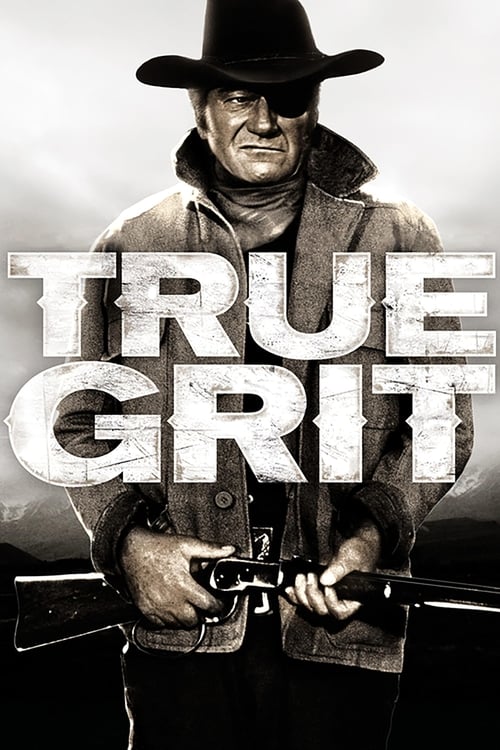
1969

1970

1959
No reviews yet. Be the first to share your thoughts on this movie!
Use the rating form above to leave a star rating and optional review.