Lonesome Dove Church
2014
No user ratings available yet
Representation score: 3.1 out of 10
Representation Score
Minimal
1977
PGDirector
Ken Kennedy
Runtime
116 minutes
Average Rating
No ratings yetNew Showbiz Analysis
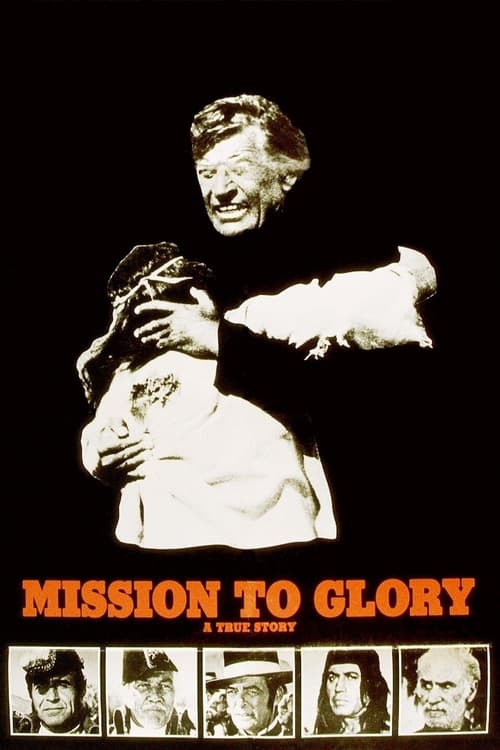
The film opens on the sun-bleached Sonoran Desert, a landscape that swallows the Spanish expedition whole. This is a 1977 Western that dresses its frontier in clerical robes, selling the idea that the American Southwest was opened not by conquest, but by the quiet, scientific persistence of a Jesuit. Richard Egan’s Father Kino is the camera’s darling: a rugged, cowboy-like saint who charts stars and digs irrigation ditches with equal grace. The sold meaning is one of benevolent colonization, where the missionary's "magic fire" of Christianity is a gift freely accepted by the natives. The film’s argument rests on the harmony between Kino and Chief Coxi, played with striking intensity by Michael Ansara. Here, the Indigenous leader is not a prop but a peer, possessing his own political concerns and intellectual depth. Yet this respect is ultimately contained by the narrative’s structure. When the Spanish Crown orders the mission abandoned due to drought and cost, the tragedy is framed as a bureaucratic failure of the "system," not a moral indictment of the colonial project itself. Kino’s vindication comes from his spiritual endurance, not from a structural change in how the land is governed. The ending rewards the individual’s faith over the institution’s logic. Kino stands alone, his idealism intact, while the political machinery around him grinds to a halt. The film treats the traditional Western institutions of Church and State as flawed but necessary vessels for a higher truth. It is a polished, conservative portrait of the frontier, where the "noble savage" trope is softened by genuine respect, yet the ultimate authority remains with the white missionary who decides what is good for the people he serves.
Category Breakdown
No queer identity or same-sex intimacy appears. The narrative centers male ecclesiastical and political figures, leaving LGBTQ+ representation entirely absent from the frame.
The cast is exclusively male, with Richard Egan’s Kino as the sole moral center. Women are invisible, reducing the mission’s social fabric to a hierarchy of priests, generals, and chiefs.
Michael Ansara plays Chief Coxi as a dignified peer, and the film credits Indigenous agricultural knowledge. However, the narrative frames this relationship through the missionary’s benevolence, keeping the colonial power dynamic unchallenged.
Christianity and the Spanish Crown are treated as the ultimate sources of order and salvation. The film validates the missionary project as a civilizing force, portraying the abandonment of the mission as a tragic bureaucratic failure rather than a colonial wrong.
No characters possess visible disabilities or impairments. Physical hardship is limited to environmental endurance and scurvy among the soldiers, with no depiction of physical or cognitive disabilities.
Present on Screen
Limited or Absent
Official Synopsis
Father Kino, a 17th-century Jesuit missionary, dedicated his life to helping Native Americans in the Southwest by teaching them agricultural skills as well as building missions and spreading Christianity. An explorer, astronomer and map maker, Father Kino surmounted numerous challenges as he journeyed through California, Arizona and Mexico.
2014
1991

1950
1957
1978
1972
1993
1955
No reviews yet. Be the first to share your thoughts on this movie!
Use the rating form above to leave a star rating and optional review.