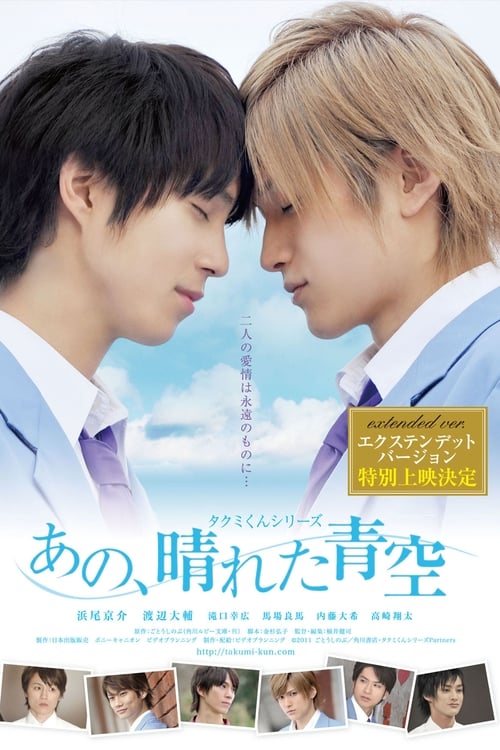
Takumi-kun Series: That, Sunny Blue Sky
2011
No user ratings available yet
Representation score: 4.4 out of 10
Representation Score
Fair
2009
NRDirector
Takeshi Yokoi
Runtime
74 minutes
Average Rating
No ratings yetNew Showbiz Analysis
The film delves into the complexities of same-sex romantic relationships, moving beyond simplistic clichés to explore the intricacies of jealousy and intimacy. By allowing male characters to express vulnerability, it successfully challenges traditional gender stereotypes of stoicism. However, the work remains limited by its narrow focus. The setting is culturally homogeneous, and the narrative concentrates almost exclusively on the micro-dynamics of romance rather than broader social or multi-layered themes. Ultimately, while it offers meaningful representation for a specific niche, it lacks the breadth to address racial, disability, or systemic institutional diversity.
Category Breakdown
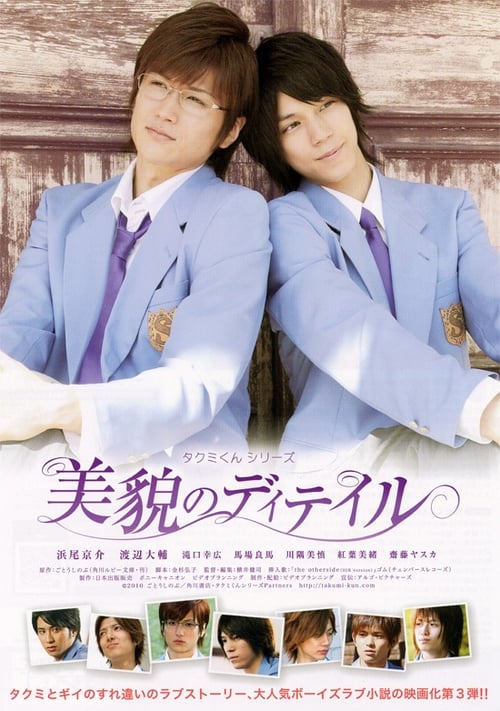
The story centers on the romantic relationship between Takumi and Gii, exploring the emotional nuances of their companionship, particularly focusing on intimacy and jealousy within their pairing.
Takumi’s struggle with expressing affection challenges traditional masculine stoicism, offering a more vulnerable and emotionally responsive portrayal of male characters in a romantic context.
The production reflects a homogeneous social environment typical of its genre and setting. There is no indication of multicultural casting or diverse ethnic representation.
The narrative prioritizes individual emotional truths over rigid social structures. However, it does not engage explicitly with broader cultural or institutional critiques.
There is no mention of characters with visible or invisible disabilities. The narrative does not include neurodivergent representation.
Present on Screen
Limited or Absent
Official Synopsis
Takumi and Gii are now a couple, but Takumi is still uncomfortable with showing affection. Not only that, but Takumi grows jealous when Gii starts paying attention to a good-looking first year student. Is Gii's love really that fickle?
2011
2010
2015

2014
2010
2018
2007
2010
No reviews yet. Be the first to share your thoughts on this movie!
Use the rating form above to leave a star rating and optional review.