
Where Love Found Me
2016
No user ratings available yet
Diversity score: 4.5 out of 10
2006
PG-13Director
Anthony Lover
Runtime
100 minutes
Average Rating
No ratings yetSynopsis
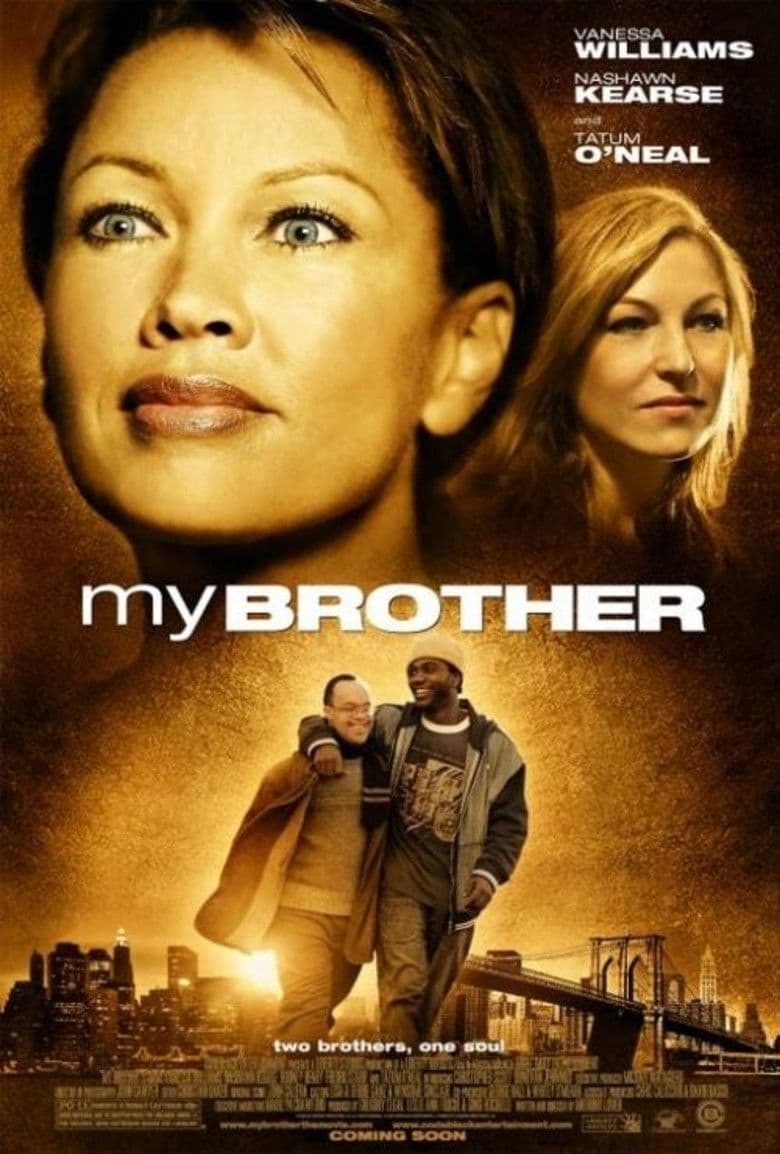
"My Brother" is an inner city story of two impoverished boys, Isaiah and James. James is developmentally disabled. Their mother, L'Tisha, finds herself in a tragic situation. Dying of tuberculosis, she desperately tries to get her two boys, eight and eleven at the time, adopted together. Finding that only Isaiah can be adopted. L'Tisha makes the only choice she feels she can make; creating an unbreakable bond of love between the boys, and hoping that bond will get them through life. Her prayers are answered as the boys overcome impossible odds on their way to adulthood, staying as close as ever as young men dealing with life's obstacles.
Overall Score
Fair
Category Breakdown
LGBTQ+ Representation
The film operates within a traditional framework of familial bonds. It does not prioritize non-heteronormative identities or queer-coded subtext within its narrative architecture.
Gender Representation
The story centers on masculine experience and male bonding. While it avoids reinforcing patriarchal leadership, it does not actively empower female characters through agency or intellectual dominance.
Racial & Ethnic Diversity
The film provides meaningful representation of an impoverished Black family. It disrupts homogeneity by centering the lived experiences of characters of color navigating systemic obstacles.
Religious & Cultural Diversity
The narrative explores the breakdown of institutional support systems like healthcare and adoption. It focuses on the personal emotional toll of socioeconomic hardship rather than explicit polemics.
Disability Representation
James provides significant representation of neurodivergence. His developmental disability is integrated into the emotional core of the film rather than being used as a mere plot device.
Strengths
Areas for Improvement
AI Analysis
My Brother is a poignant domestic drama that finds its strength in depicting the resilience of a marginalized family unit. By centering a Black family navigating poverty and terminal illness, the film moves beyond tokenism to offer a nuanced study of survival. The film's most impactful element is its handling of disability. James is not a caricature; his condition drives the central conflict and the emotional urgency of the brothers' bond. This provides a level of agency often missing in similar portrayals. However, the film remains limited by its traditionalist approach to gender and sexuality. It lacks the subversion of heteronormativity or the empowerment of female characters found in more progressive contemporary works, focusing instead on a narrow masculine experience.
No reviews yet. Be the first to share your thoughts on this movie!
Use the rating form above to leave a star rating and optional review.