Straight from the Barrio
2008
No user ratings available yet
Representation score: 5.0 out of 10
Representation Score
Fair
2014
Director
David Llauger Meiselman
Runtime
102 minutes
Average Rating
No ratings yetNew Showbiz Analysis
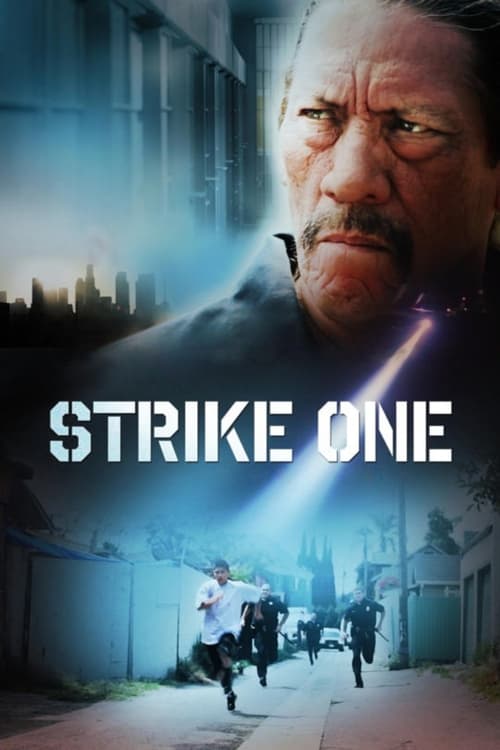
Strike One presents a grounded exploration of race, class, and systemic pressures. It excels by avoiding stereotypes and delving into how identity is shaped and constrained by socioeconomic contexts. The film's strength lies in its nuanced depiction of racial identity and the subversion of traditional roles through female empowerment. It uses character interactions to critique institutional authority and the limitations of the entertainment industry. However, the film lacks diversity in terms of LGBTQ+ representation and disability. The narrative focus remains narrow, centered on traditional romantic interests for the adolescent protagonist and racialized systemic struggles.
Category Breakdown
The film does not include visible LGBTQ+ identities or non-straight characters. The protagonist focuses on traditional romantic interests involving girls.
Angie stands out as a strong character who defies traditional roles as a single mother navigating corporate spaces. She demonstrates significant influence against systemic barriers.
The story centers around a non-white protagonist facing systemic pressures. Manny’s career highlights the issue of racial typecasting in the entertainment industry.
The narrative examines the volatile environment controlled by gangs and the disconnect between these communities and the legal system. It avoids idealized portrayals of family life.
There is no representation of characters with physical, neurodivergent, or mental health conditions in the narrative.
Present on Screen
Limited or Absent
Official Synopsis
Juan Garcia is a boy on the threshold of manhood living in a gang-controlled neighborhood. His role models could not be further apart: his older sister Angie, a single mom, struggling to gain a foothold in the white corporate world and his uncle Manny, an ex-gang member, who has fallen into an acting career playing gang bangers since his release from prison. With the future on his doorstep, Juan, like most boys, can only think of girls and is unaware of the judicial system's hard line stance against gang affiliation.
2008

2019
2017

2017

2016
1992
2014
2014
No reviews yet. Be the first to share your thoughts on this movie!
Use the rating form above to leave a star rating and optional review.