
A Round Trip to Love
2016
No user ratings available yet
Representation score: 5.2 out of 10
Representation Score
Good
2006
Not RatedDirector
Adaora Nwandu
Runtime
98 minutes
Average Rating
No ratings yetNew Showbiz Analysis
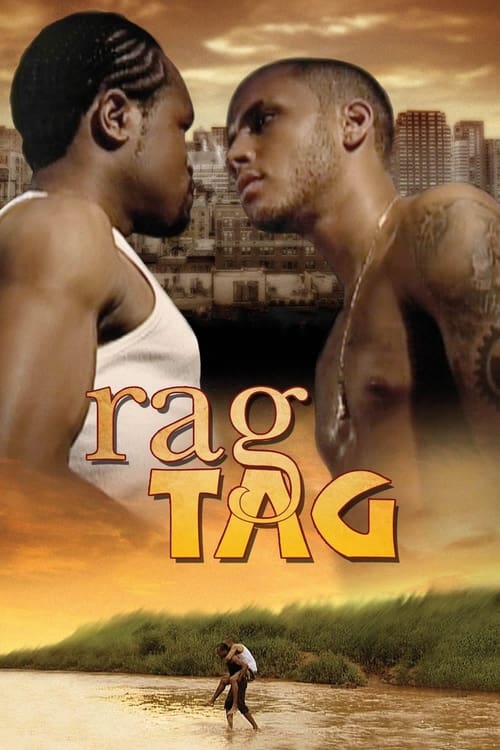
Rag Tag is a nuanced character study that goes beyond including someone from a minority group without giving them real depth to explore the complexities of identity and systemic intervention. By focusing on the relationship between a West Indian individual and a Nigerian individual, the film highlights the diverse experiences within the Black diaspora. The film excels in its multi-layered approach to race and class. It uses the protagonists' differing backgrounds to critique how social institutions and class hierarchies shape individual lives and personal connections. However, the narrative's heavy focus on male protagonists limits the scope of gender representation. The absence of women's ability to drive the story prevents a broader exploration of gender dynamics within the story.
Category Breakdown
The film explores a strong, consuming bond between two male protagonists. Though the exact nature of their relationship isn't explicitly stated, the narrative hints at a deep emotional connection that challenges typical views of male friendships.
The story focuses on men's control over the story and their interactions with class differences. However, there are no visible female characters or ability to act within the main storyline.
The film offers a sophisticated look at the Black diaspora by featuring a West Indian protagonist alongside a Nigerian one. This approach breaks down monolithic representations by emphasizing specific cultural and class distinctions.
The narrative criticizes Western institutional frameworks, particularly how Social Services can disrupt family structures. It prioritizes the emotional realities of the characters over the stability of state institutions.
There is no information available regarding the portrayal of physical, mental, or neurodivergent conditions in this film.
Present on Screen
Limited or Absent
Official Synopsis
Raymond and Tagbo met when they were eight. Although from radically different worlds— Raymond/Rag is from a single-parent West Indian home, while Tagbo/Tag is the only son of middle-class Nigerian parents— they remain inseparable until the cusp of their teens. Social Services take Rag from London. Ten years later, Rag returns to find Tag. They still want to be together. But now twenty-three, their need has shifted into something more urgent and consuming.
2016
1991

2019

2008

2002

2018

2015
2019
No reviews yet. Be the first to share your thoughts on this movie!
Use the rating form above to leave a star rating and optional review.