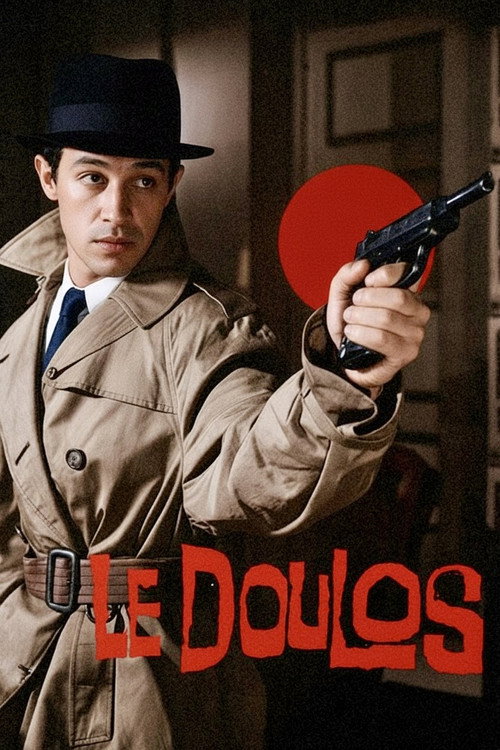
Le Doulos
1962
No user ratings available yet
Representation score: 3.3 out of 10
Representation Score
Minimal
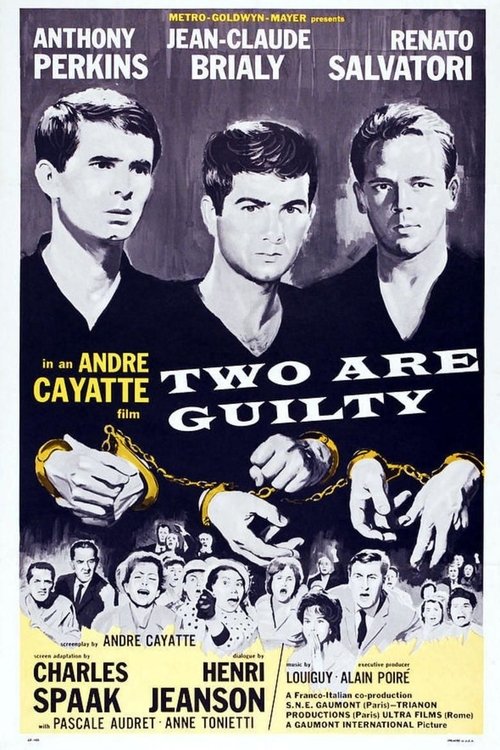
1963
Director
André Cayatte
Runtime
138 minutes
Average Rating
No ratings yetNew Showbiz Analysis
The film primarily critiques institutional failures rather than focusing on demographic diversity. It emphasizes the flaws in the legal system and how it can be swayed by societal pressures. While it lacks representation of gender, race, and LGBTQ+ identities, it offers a deep exploration of systemic issues. However, it remains rooted in the traditional demographics of its time.
Category Breakdown
The film does not include any LGBTQ+ characters or stories about non-cisgender identities.
The story focuses on a male-dominated legal profession, where women play a minimal role in driving the main plot.
The cast is fairly uniform, reflecting the demographic makeup of mid-20th-century French institutions without much racial diversity.
The film sharply criticizes Western institutional structures, portraying the judicial system as flawed and influenced by social pressures.
There are no characters with visible or invisible disabilities playing central roles or serving as key plot devices.
Present on Screen
Limited or Absent
Official Synopsis
Three young men are suspected of kidnapping and murdering a little boy. Most likely, two of them are really involved, but one is not. All of their pasts are questionable, riddled with violence and controversy. Neither the police nor the court can decide how to solve that puzzle.
1962
1947
1994
1960
1959

1959
1973

1962
No reviews yet. Be the first to share your thoughts on this movie!
Use the rating form above to leave a star rating and optional review.