The Flintstones in Viva Rock Vegas
2000
No user ratings available yet
Representation score: 2.0 out of 10
Representation Score
Fair
1994
PGDirector
Penelope Spheeris
Runtime
82 minutes
Average Rating
No ratings yetNew Showbiz Analysis
The film stands as a family-friendly production that breaks some mid-90s norms. It successfully showcases a diverse cast where characters of color play key roles in the social fabric. However, the film lacks depth in representing multiple aspects of diversity. It does not include characters with disabilities or LGBTQ+ identities, focusing instead on conventional heterosexual relationships and able-bodied archetypes. While the gender dynamics provide a humorous critique of rigid roles, the narrative remains rooted in traditional social structures without delving into more complex societal norms.
Category Breakdown
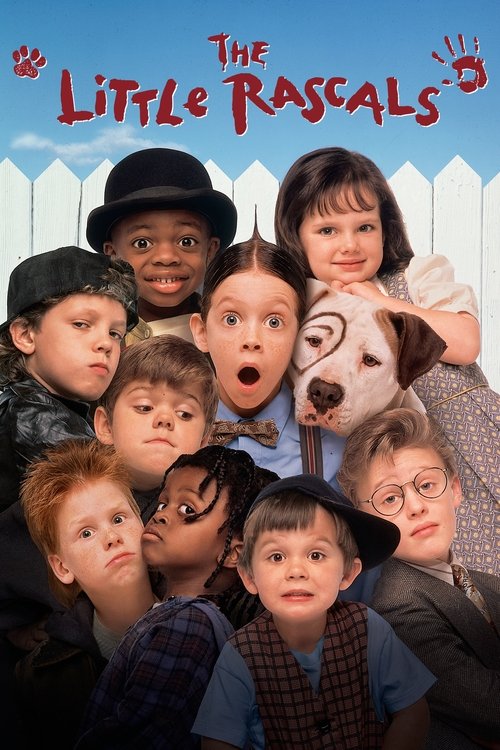
The film does not include any LGBTQ+ characters or explore non-straight relationships. The main romance follows typical dating patterns between Alfalfa and Darla.
The story challenges traditional gender roles through the 'He-Man Woman Haters Club.' Female characters like Darla show strong ability to act, organizing effectively against the boys.
The main group of friends includes a variety of ethnic backgrounds. This casting highlights a diverse community rather than a single ethnic group.
The plot focuses on secular, child-focused values rather than religious themes. It emphasizes children's self-governance while reinforcing traditional community bonds.
The film does not specifically address visible or invisible disabilities. Characters are portrayed using typical able-bodied childhood archetypes without highlighting neurodivergent or physically disabled individuals.
Present on Screen
Limited or Absent
Official Synopsis
When nine-year-old Alfalfa falls for Darla, his "He-Man-Woman-Hating" friends attempt to sabotage their relationship.
2000

1986

1995
1986

1999

1993
2019

1962
No reviews yet. Be the first to share your thoughts on this movie!
Use the rating form above to leave a star rating and optional review.