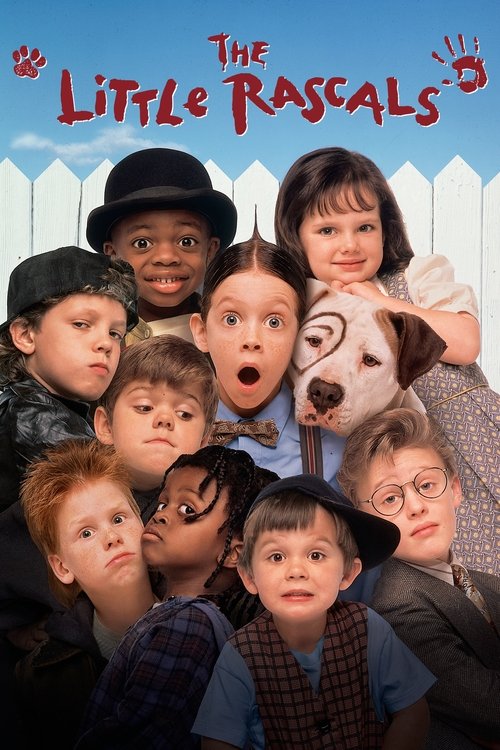
The Little Rascals
1994
No user ratings available yet
Representation score: 5.2 out of 10
Representation Score
Minimal
1986
PGDirector
Savage Steve Holland
Runtime
93 minutes
Average Rating
No ratings yetNew Showbiz Analysis
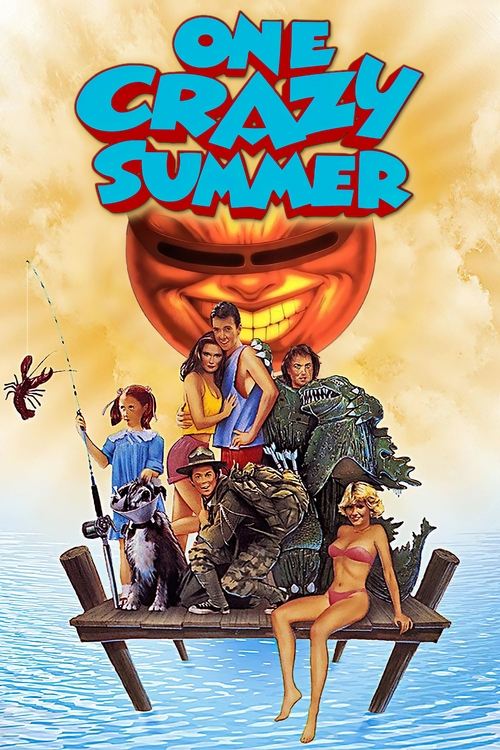
One Crazy Summer is a typical 1980s comedy that emphasizes slapstick humor and adolescent stereotypes over social complexity. It aligns closely with the mainstream cinema of its time, avoiding intentional characters who reflect more than one aspect of diversity. The film centers around a predominantly white cast and male-driven antics, while the female lead stands out for her ability to act in protecting her family’s property. However, the broader gender dynamics and racial composition remain traditional, without challenging established norms or providing diverse representation.
Category Breakdown
The film strictly follows the conventions of 1980s teen comedies and does not include any non-straight or non-cisgender identities.
The movie features a strong female character who fights to protect her family property, but the overall plot relies on traditional male-centric humor.
The cast is primarily white, with very few characters of color who do not play a significant role in the main storyline.
The story focuses on typical teenage rebellion against authority figures, without addressing broader societal issues or cultural critiques.
The film does not include any characters with visible or invisible disabilities, nor does it address neurodivergence or mental health conditions.
Present on Screen
Limited or Absent
Official Synopsis
An aspiring teenage cartoonist and his friends come to the aid of a singer trying to save her family property from developers.
1994
1962

1987
1958
1974
1991
1999

1984
No reviews yet. Be the first to share your thoughts on this movie!
Use the rating form above to leave a star rating and optional review.