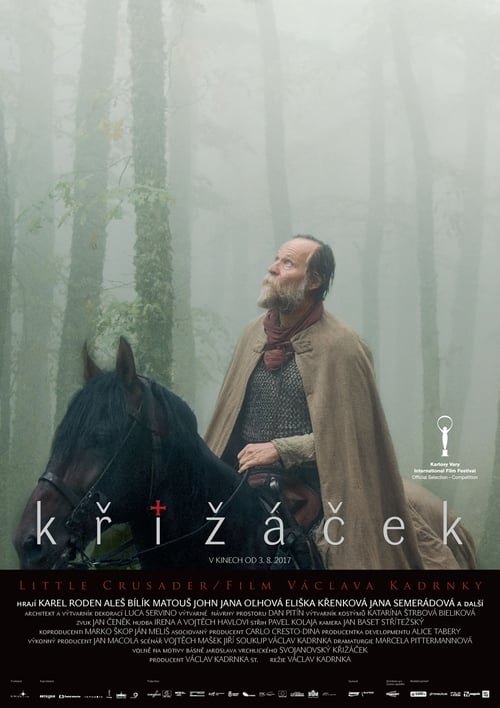
Little Crusader
2017
No user ratings available yet
Representation score: 1.2 out of 10
Representation Score
Limited
2009
Director
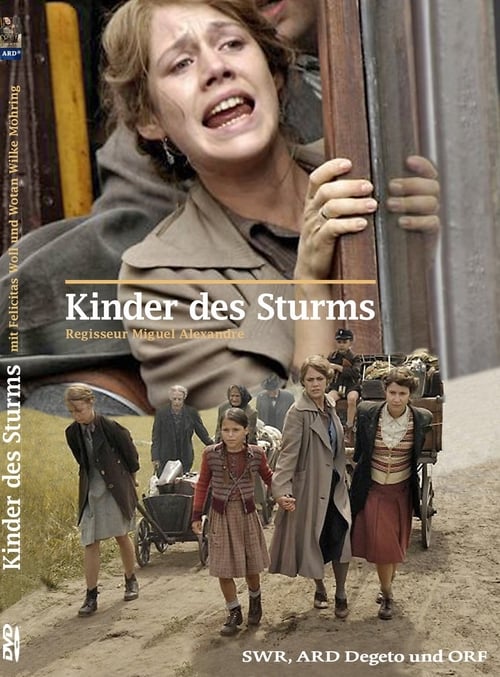
Miguel Alexandre
Runtime
0 minutes
Average Rating
No ratings yetNew Showbiz Analysis
Kinder des Sturms is a historical drama that prioritizes humanistic survival over modern multi-layered frameworks. It finds its strength in centering a female protagonist during a period of extreme social instability. However, the film is constrained by the demographic homogeneity of its historical setting. The focus on ethnic German displacement limits racial and ethnic variety, while the absence of queer identities keeps the representation conventional. Ultimately, the film offers a meaningful look at women's ability to drive the story and the breakdown of traditional social structures, even if it lacks broader diversity.
Category Breakdown
The film does not include any explicit LGBTQ+ characters or non-straight relationships. It centers on a traditional family unit dealing with post-war displacement.
Rosemarie Hermann is a strong female protagonist who drives the plot through her resilience. The story highlights her ability to act and emotional labor amid systemic upheaval.
Set in post-war Germany, the cast appears largely homogeneous. The film reflects the specific demographic and social constraints of the era's displacement.
The story deconstructs the traditional German family unit through the chaos of war. It prioritizes humanitarian necessity and survival over nationalistic or religious themes.
There is no specific evidence regarding the portrayal of physical or neurodivergent disabilities. The film focuses on the psychological trauma of loss instead.
Present on Screen
Limited or Absent
Official Synopsis
The film is set in post-war Germany. It tells the story of widow Rosemarie Hermann, who flees Silesia with her sister Bettina, her father, and their two children Maria and Johannes ("Jojo"). In the general chaos, she loses her daughter. In her attempt to find her, she finally receives support from Harald Bergmann, who works for the tracing service of the German Red Cross and also finds her a job there. Maria initially lives in a children's home near Lübeck and is then placed with a foster family.
2017

1990

2014

2018

2013

2020

2022

2002
No reviews yet. Be the first to share your thoughts on this movie!
Use the rating form above to leave a star rating and optional review.