Secrets of the Solar System
2015
No user ratings available yet
Diversity score: 1.1 out of 10
2011
Director
Jay Weidner
Runtime
69 minutes
Average Rating
No ratings yetSynopsis
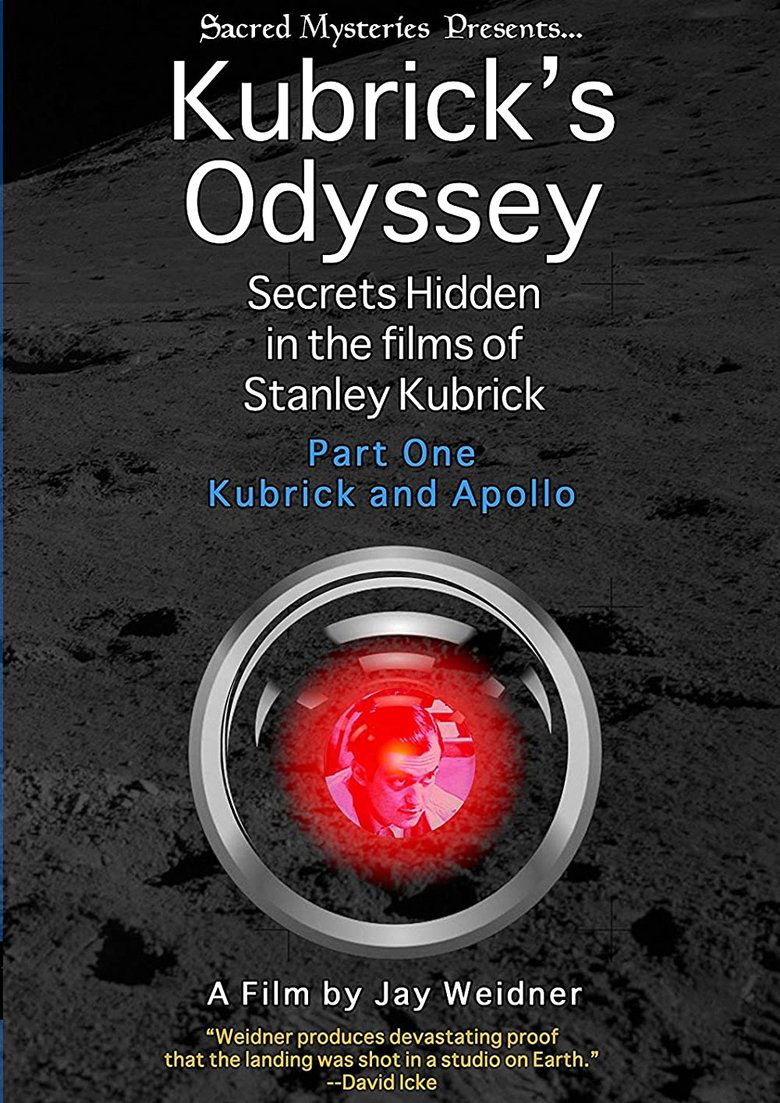
This provocative and insightful film is the first in a series of documentaries that will reveal the secret knowledge embedded in the work of the greatest filmmaker of all time: Stanley Kubrick. This famed movie director who made films such as 2001: A Space Odyssey, A Clockwork Orange, The Shining and Eyes Wide Shut, placed symbols and hidden anecdotes into his films that tell a far different story than the films appeared to be saying. In Kubrick's Odyssey, Part I, Kubrick and Apollo, author and filmmaker, Jay Weidner presents compelling evidence of how Stanley Kubrick directed the Apollo moon landings.
Overall Score
Limited
Category Breakdown
LGBTQ+ Representation
The documentary does not engage with LGBTQ+ identities or queer theory. The narrative architecture focuses on geopolitical conspiracy and cinematic symbolism rather than sexual orientation.
Gender Representation
The film focuses on the intersection of film history and space exploration. It lacks exploration of female agency, gender hierarchies, or the subversion of masculinity.
Racial & Ethnic Diversity
The analysis centers on Stanley Kubrick's work and NASA history. It does not focus on racial identity, intersectional casting, or the deconstruction of racial hierarchies.
Religious & Cultural Diversity
The film critiques Western institutional authority by positing that NASA and the US government engaged in orchestrated deception. It prioritizes investigative truth over official historical records.
Disability Representation
There is no evidence that the film addresses neurodivergence, physical disabilities, or mental health conditions as central themes or character elements.
Strengths
Areas for Improvement
AI Analysis
Jay Weidner’s documentary is a specialized work of speculative historiography that operates outside the traditional parameters of identity-based representation. It does not aim to represent marginalized social groups through characterization or casting. Instead, the film's value lies in its systemic critique of state power. It disrupts conventional expectations of historical truth by framing Western institutions as entities capable of profound deception. This postmodern skepticism serves as its primary narrative driver. Ultimately, the film lacks intersectional breadth. While it challenges established power structures, it does so through the lens of cinematic semiotics and conspiracy rather than social identity.
2015
1996

2011
1960

1969
2025
2001
1996

2007
2014
1995

2008
No reviews yet. Be the first to share your thoughts on this movie!
Use the rating form above to leave a star rating and optional review.