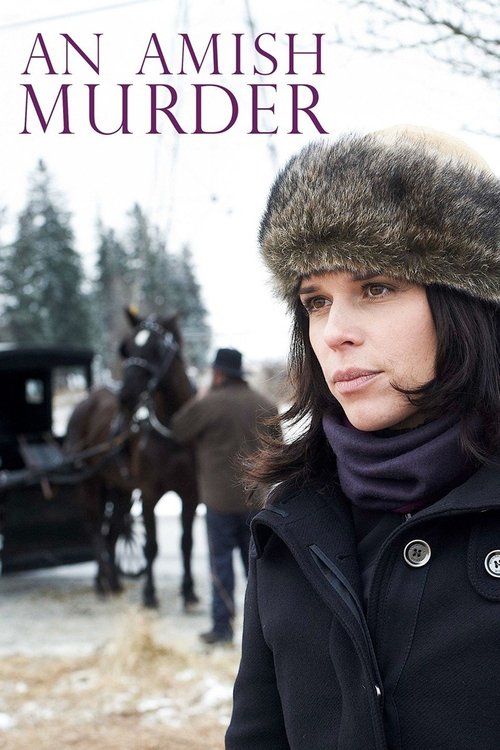
An Amish Murder
2013
No user ratings available yet
Representation score: 3.1 out of 10
Representation Score
Minimal
1996
PGDirector
Arthur Allan Seidelman
Runtime
99 minutes
Average Rating
No ratings yetNew Showbiz Analysis
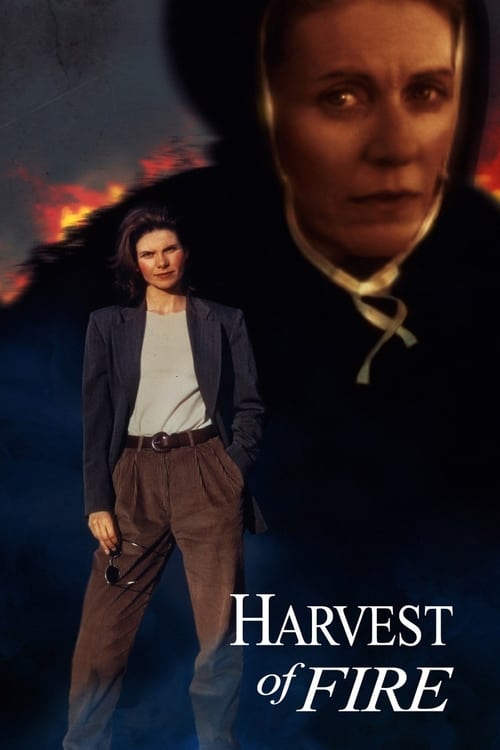
Harvest of Fire is a traditional procedural drama focused on the tension between an insular religious community and external authorities. Its strength lies in exploring cultural conflicts and the secrets within a closed society. However, the film sticks to conventional storytelling formulas, concentrating on a specific, culturally isolated setting. It does not make deliberate efforts to include diverse identities or disrupt established social hierarchies, leading to a limited demographic range. Overall, the film prioritizes the investigation of communal arson over representing diverse social perspectives, making it a character study of a particular subgroup rather than a diverse ensemble.
Category Breakdown
The film does not feature any LGBTQ+ characters or explore non-straight identities. The Amish setting does not provide any hints of queer relationships or critiques of the assumption that everyone is straight.
The story balances professional roles with traditional family life. Characters like Agent Russwell and Annie Beiler show strong leadership and business skills, while the community upholds conservative social structures.
The narrative focuses on a single, homogeneous Amish community without a diverse cast. It emphasizes internal cultural dynamics over racial diversity or efforts to break away from Anglo-centric norms.
The film looks at the conflict between religious isolation and secular laws. It delves into communal secrets and moral complexities without fully challenging the structure of religious institutions.
There are no characters with visible or invisible disabilities in the film. Disability is not used as a narrative device here.
Present on Screen
Limited or Absent
Official Synopsis
In a small Amish community, three barns are burnt down almost simultaneously. FBI agent Sally Russwell is sent in to investigate this possible hate crime. What she finds however is a community that little trust for outsiders or "The English" as they call them. However, in her investigations, Agent Russell makes friends with one entrepreneurial widow, Annie Beiler who has her own curiosity about this stranger. Together, Annie introduces Russell in-depth to this close knit community bearing many appealing attributes. However, as Sally's investigations continue, she discovers secrets that reveal uncomfortable truths about the religious community that are linked to the arson attacks.
2013
1985
2014
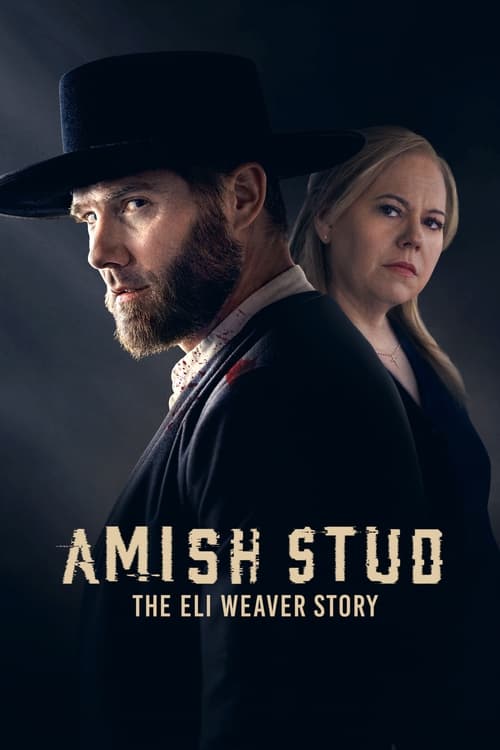
2023
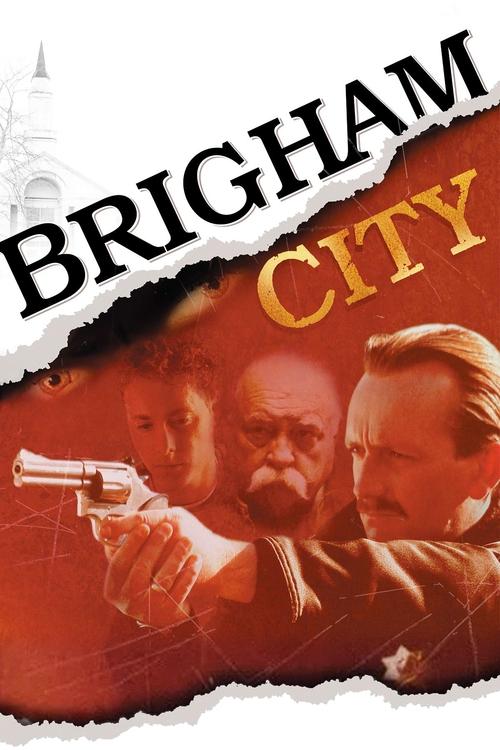
2001
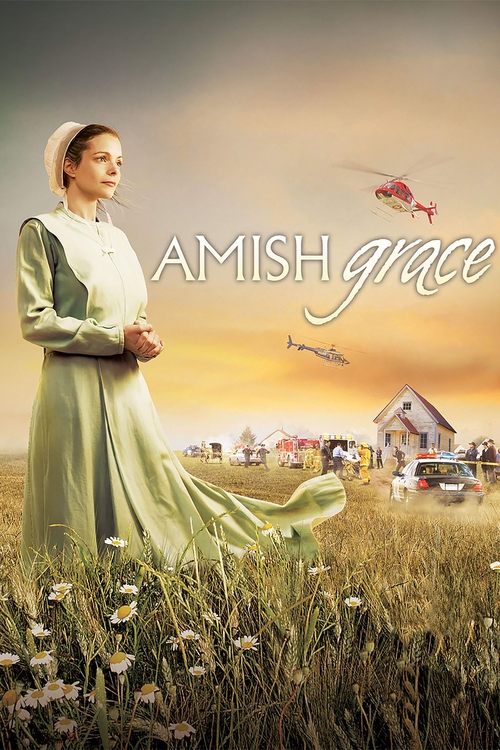
2010
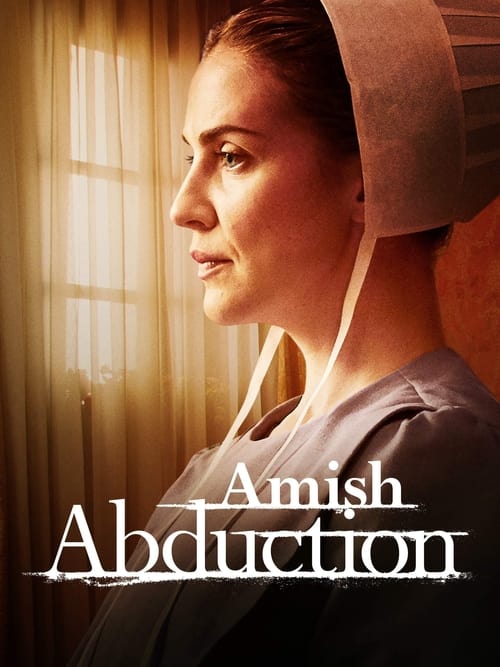
2019
1988
No reviews yet. Be the first to share your thoughts on this movie!
Use the rating form above to leave a star rating and optional review.