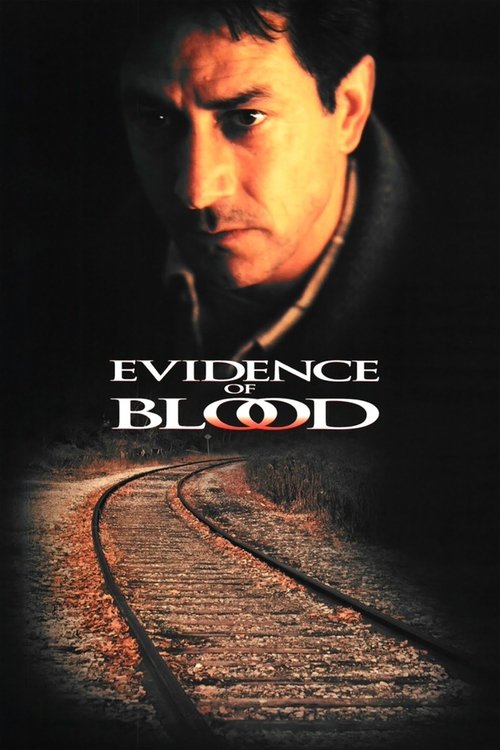
Evidence of Blood
1998
No user ratings available yet
Diversity score: 2.7 out of 10

2013
Director
Stephen Gyllenhaal
Runtime
84 minutes
Average Rating
No ratings yetSynopsis
The Amish farming community of Painter’s Mill, Ohio, is shattered when a series of brutal murders leaves the town with a sense of frailty and loss of innocence. Among the most affected by the tragedy was Kate Burkholder, a young girl who survived the terror and, as a result, left the Amish life behind. Fifteen years later, Kate returns to Painter’s Mill as its Chief of Police. Certain she’s come to terms with her past, Kate’s renewed life in her hometown is shattered when a murder investigation triggers deep-seated emotions from her childhood and exposes a dark secret that could destroy her.
Overall Score
Fair
Category Breakdown
LGBTQ+ Representation
The film lacks any indication of LGBTQ+ characters or narratives. The story focuses entirely on the protagonist's professional role and her personal history.
Gender Representation
Kate Burkholder serves as a strong female lead in a position of institutional authority. Her role as Chief of Police challenges traditional gender hierarchies within a conservative community.
Racial & Ethnic Diversity
The narrative centers on the Amish, a distinct cultural subgroup. However, the focus remains on internal community dynamics rather than a multi-ethnic or intersectional cast.
Religious & Cultural Diversity
The film explores the friction between secular modernity and insular religious traditions. It examines the tension between individual agency and the rigid expectations of the Amish community.
Disability Representation
There is no evidence regarding the portrayal of physical or neurodivergent disabilities. The narrative does not address these themes.
Strengths
Areas for Improvement
AI Analysis
An Amish Murder centers on the psychological and social friction between a secular law enforcement officer and the traditionalist community she once belonged to. The film's primary strength is its exploration of cultural displacement and the subversion of small-town tropes through a female lens of authority. While the film provides a nuanced look at religious structures and individual identity, it lacks breadth in other areas. There is no visible representation of LGBTQ+ identities or diverse racial intersections beyond the specific Amish cultural setting. Ultimately, the film functions as a character study of a woman navigating the trauma of her past and the complexities of a community that operates under a different set of social rules.
No reviews yet. Be the first to share your thoughts on this movie!
Use the rating form above to leave a star rating and optional review.