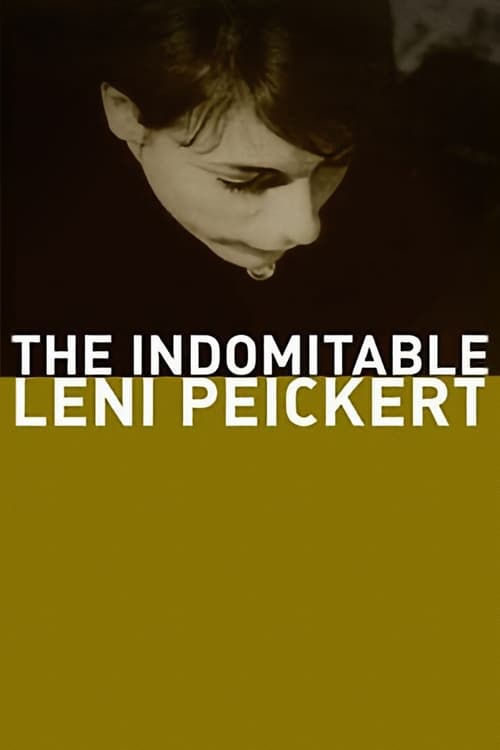
The Indomitable Leni Peickert
1970
No user ratings available yet
Representation score: 6.3 out of 10

Representation Score
Excellent
1968
Director
Alexander Kluge
Runtime
103 minutes
Average Rating
No ratings yetNew Showbiz Analysis
Alexander Kluge’s work disrupts conventional cinematic hierarchies by centering a female protagonist in a position of professional leadership. The narrative moves beyond simple tragedy, focusing instead on the complex transition from traditional physical performance to modern media structures. The film excels at challenging gendered expectations and providing a critique of institutional shifts. It prioritizes intellectualized, essayistic storytelling over traditional, stable narrative arcs, offering a fragmented view of social evolution. While the film lacks explicit evidence regarding racial or LGBTQ+ diversity, its placement within the New German Cinema movement suggests an intentional departure from mainstream commercial clichés.
Category Breakdown
The film does not explicitly feature LGBTQ+ characters or non-straight relationships. However, its roots in New German Cinema suggest a narrative style that avoids the rigid, straight-focused clichés found in mainstream commercial cinema.
A female circus director takes center stage, navigating a professional pivot after her father's death. This leadership role challenges traditional expectations by giving her a significant role in redefining her career within the mediated world of television.
The film appears focused on European social structures and professional identity rather than racial diversity. Without explicit evidence of a diverse cast, the narrative remains centered on West German social contexts.
The story critiques the shift from traditional circus life to modern television media. This transition serves as a sophisticated exploration of how broader institutions subsume traditional modes of community and performance.
A circus accident introduces themes of physical fragility and the precariousness of the body. The film explores the psychological depth of trauma and the instability of the human condition.
Present on Screen
Limited or Absent
Official Synopsis
A young circus director ends up going into television after her father, a trapeze performer, dies in a circus accident.
1970
1956
1987
1976

1951
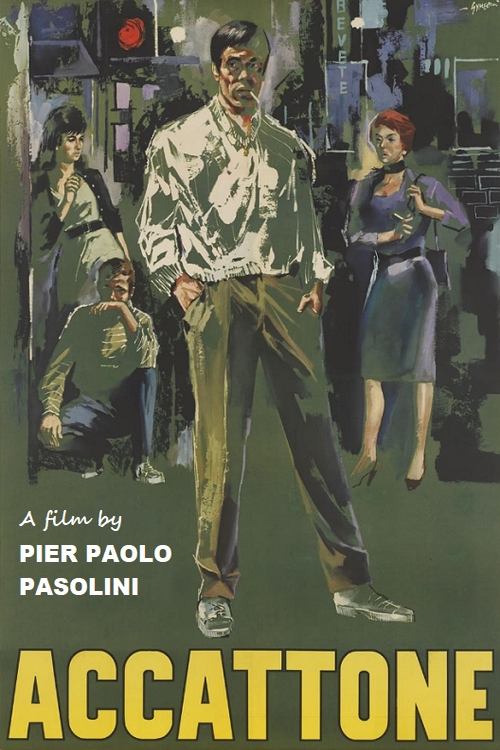
1961

1954

1924
No reviews yet. Be the first to share your thoughts on this movie!
Use the rating form above to leave a star rating and optional review.