Dreams of a Life
2011
No user ratings available yet
Representation score: 8.8 out of 10
Representation Score
Fair
2016
Director
Sofia Bohdanowicz
Runtime
68 minutes
Average Rating
No ratings yetNew Showbiz Analysis
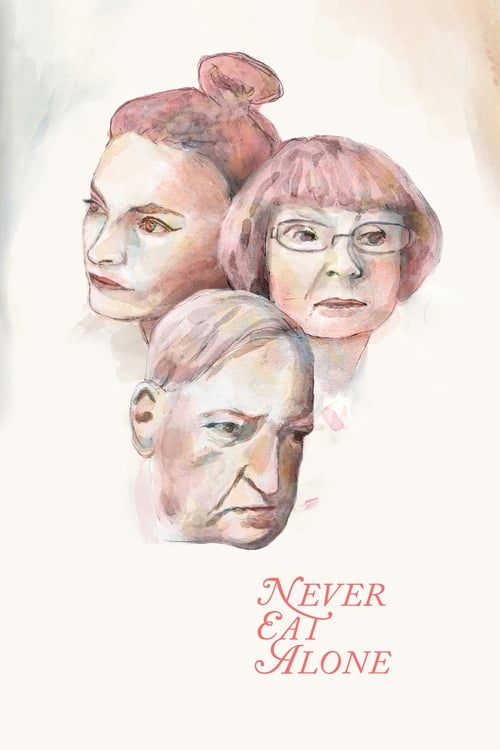
Never Eat Alone is a character study that excels in exploring female subjectivity and subtle queer themes. By focusing on the domestic and archival connections between women, it moves away from traditional masculine narratives. However, the film's impact on diversity is limited due to its lack of racial diversity and a homogeneous socioeconomic and ethnic landscape. Ultimately, the work prioritizes internal psychological depth over broader demographic representation.
Category Breakdown
The film explores queer identity through subtle, understated means, focusing on quiet introspection rather than typical romantic storylines.
The story centers on female subjectivity, emphasizing the internal lives and investigative roles of women, which challenges traditional male-dominated plot progression.
The cast and setting reflect a predominantly white, urban environment. There is a lack of diverse racial or ethnic backgrounds within the main character arcs.
The film adopts a secular, observational approach focused on everyday realities and archival memories, avoiding singular religious moralities.
There is no discernible evidence regarding the portrayal of physical or neurodivergent disabilities within the film.
Present on Screen
Limited or Absent
Official Synopsis
An elderly widow (Joan Benac) starts to wonder what happened to a would-be lover from her past who appeared with her in a live televised drama in the 1950s. After discovering the show in CBC’s archive, her granddaughter Audrey (Deragh Campbell) attempts to try and track the man down.
2011

2018

1996

2011
2015

2023

2010

2020
No reviews yet. Be the first to share your thoughts on this movie!
Use the rating form above to leave a star rating and optional review.