Notes on Blindness
2016
No user ratings available yet
Representation score: 4.6 out of 10
Representation Score
Minimal
2015
Director
Scott Barley
Runtime
20 minutes
Average Rating
No ratings yetNew Showbiz Analysis
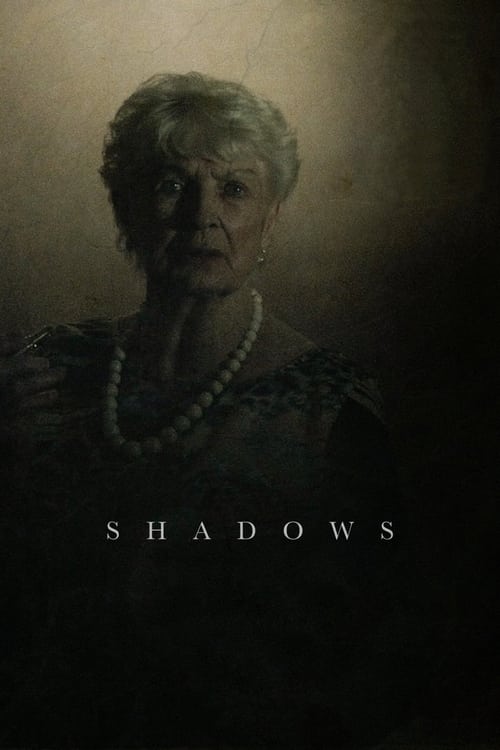
Shadows is a formalist, non-narrative work that prioritizes sensory experience over character-driven storytelling. By focusing on chiaroscuro vignettes and the English landscape, the film moves away from traditional human-centric drama. Since the film functions as a meditative study of time and nature, it lacks the structural framework to address identity politics or social hierarchies. The absence of dialogue and interpersonal interaction means that most sociological metrics cannot be applied. Ultimately, the film's low score reflects a lack of engagement with social identity categories. It avoids stereotypical representation by abandoning traditional narrative, but it also lacks the character's ability to drive the story needed to drive progressive social themes.
Category Breakdown
The film focuses on natural textures and landscapes instead of interpersonal romantic narratives. There are no LGBTQ+ characters or explorations of gender identity present.
The work observes an elderly woman's life through an existential lens. However, the lack of dialogue prevents any exploration of gendered hierarchies or social clichés.
The emphasis on slow cinema and landscape vignettes precludes a diverse cast. The film avoids depicting human social structures or racialized character studies.
The film challenges Western storytelling models through postmodern deconstruction. It does not, however, engage in explicit critiques of religious or social institutions.
The theme of life's deterioration is presented through an abstract, stylistic lens. No characters with visible or invisible disabilities are featured as central agents.
Present on Screen
Limited or Absent
Official Synopsis
Through a series of chiaroscuro vignettes, the deterioration of an elderly woman's life is observed.
2016
2020
2011
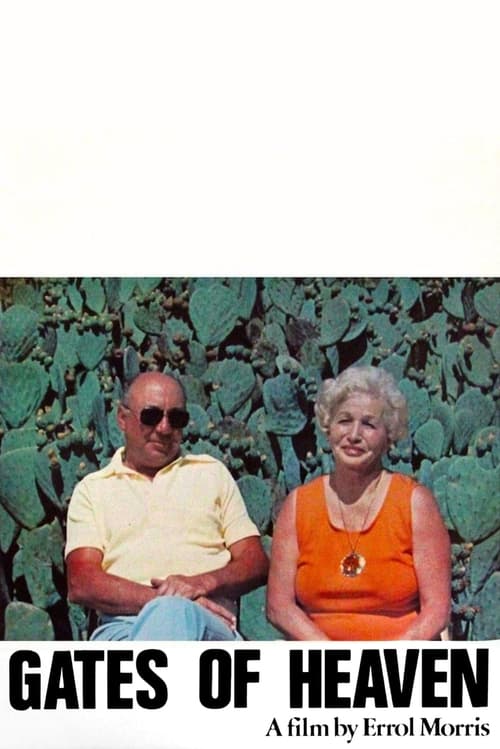
1978
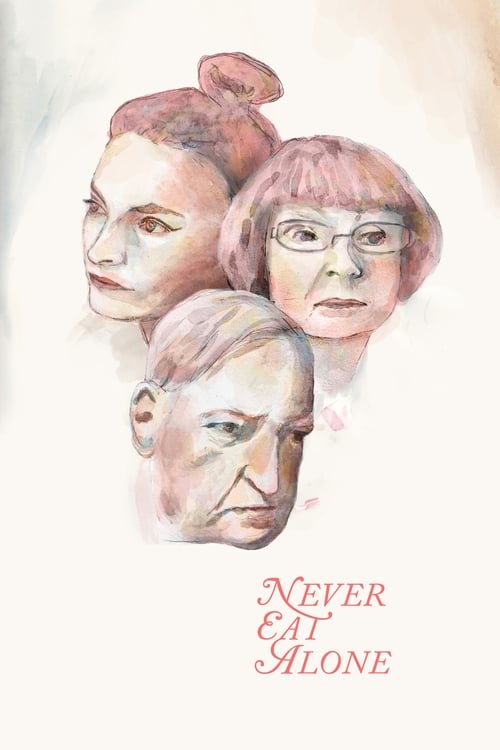
2016
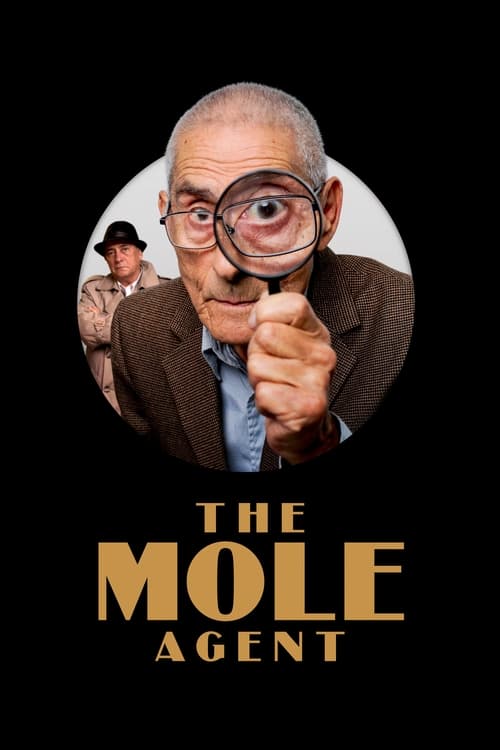
2020
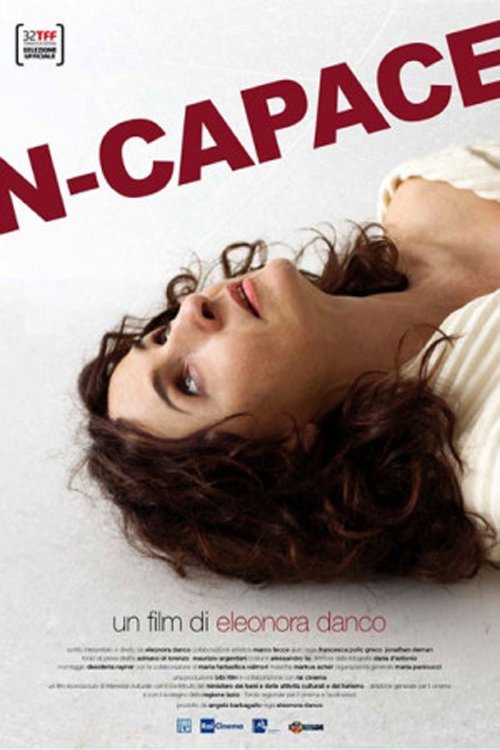
2014

2014
No reviews yet. Be the first to share your thoughts on this movie!
Use the rating form above to leave a star rating and optional review.