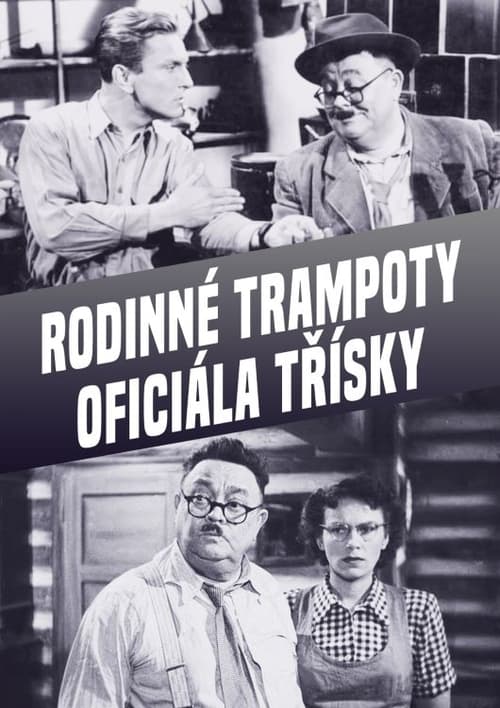
Rodinné trampoty oficiála Tříšky
1949
No user ratings available yet
Representation score: 1.1 out of 10
Representation Score
Limited
1953
Director
Bořivoj Zeman
Runtime
0 minutes
Average Rating
No ratings yetNew Showbiz Analysis
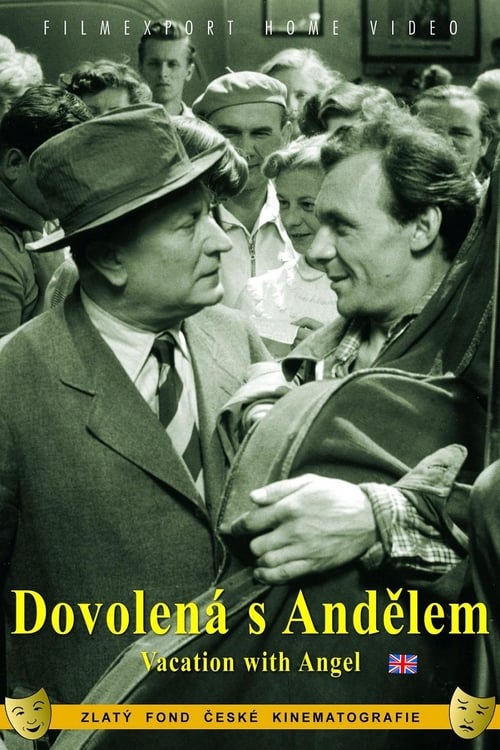
Holiday with Angel is shaped by its specific socio-political context, emphasizing ideological alignment over modern diversity. While it fails to represent LGBTQ+ identities, diverse ethnicities, or varied gender roles, it successfully portrays a distinct cultural framework. The film's strength lies in its commitment to collectivist themes. By centering the story on union-based communal living, it offers a unique cultural perspective that challenges individualistic norms. However, the film remains limited by the conventions of its era. It adheres to traditional gender hierarchies and lacks representation for underrepresented groups, resulting in a lower score by contemporary standards.
Category Breakdown
The film does not include any characters with non-binary genders or same-sex relationships. The focus on a group of co-workers reinforces traditional assumptions about relationships.
The story revolves around Mr. Angel, a male character whose personality drives the plot. Women play supporting roles within the communal setting rather than taking leading roles.
The production reflects a homogeneous Czech population typical of its time. There is no indication of multi-ethnic casting or challenging Western norms through racial diversity.
The film emphasizes collectivist values through its unionist setting. It prioritizes communal living and organized labor over individualistic capitalist ideals.
There are no visible or invisible disabilities depicted as central to the character arcs. The narrative does not feature characters navigating disability within the plot.
Present on Screen
Limited or Absent
Official Synopsis
Strict and always dissatisfied grumbler Mr. Angel gets a voucher for summer recreation. He rejects it at first but he eventually decides to use it and spend 14 days in unionist hut Jezerka together with other merited co-workers.
1949
1967
1969
1983
1975
1943
1976
1966
No reviews yet. Be the first to share your thoughts on this movie!
Use the rating form above to leave a star rating and optional review.