O sole mio
1946
No user ratings available yet
Representation score: 1.1 out of 10
Representation Score
Minimal
1948
Director
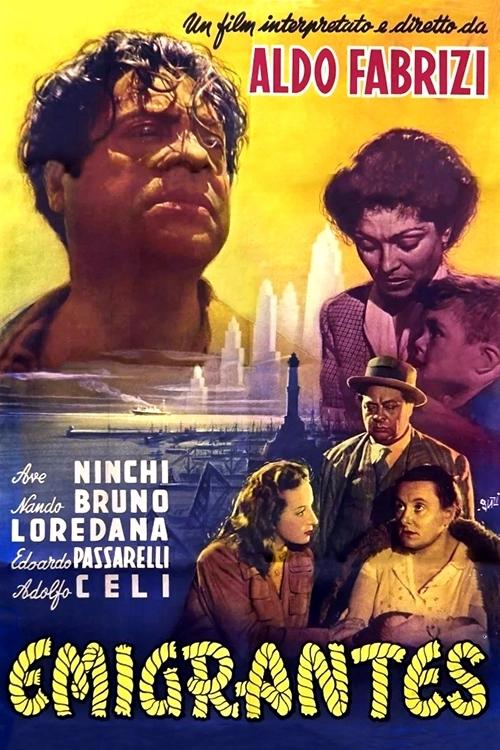
Aldo Fabrizi
Average Rating
No ratings yetNew Showbiz Analysis
Emigrantes serves as a historical document of Italian Neorealism, emphasizing the collective struggle of peasants over individual heroics. It functions as a socio-economic study of displacement and the systemic pressures of post-war poverty. The film reflects the social constraints and traditional hierarchies of 1948 Italy. It lacks modern characters who reflect more than one aspect of diversity, focusing instead on the structural failures that necessitate mass migration. While the film reinforces traditional gender and social norms, its value lies in its nuanced critique of the economic instability and the hardships faced by the impoverished laborer.
Category Breakdown
The film does not depict any non-straight relationships or queer narratives. The story focuses on the traditional family unit as a means of survival, excluding LGBTQ+ identities.
Women are primarily shown within domestic settings, while men hold economic power. The story upholds traditional patriarchal structures where women have limited influence outside the home.
The cast and narrative focus are predominantly of Italian heritage, lacking diverse racial representation. The film centers on the experiences of the Italian working class without considering other racial backgrounds.
Catholic imagery is prevalent throughout the film. The story critiques systemic economic failures rather than individual moral failings, earning a moderate score.
There is no significant or documented portrayal of physical or neurodivergent disabilities as central narrative elements.
Present on Screen
Limited or Absent
1946

1957
1950

1950

1945

1937

1942
1944
No reviews yet. Be the first to share your thoughts on this movie!
Use the rating form above to leave a star rating and optional review.