Find another title
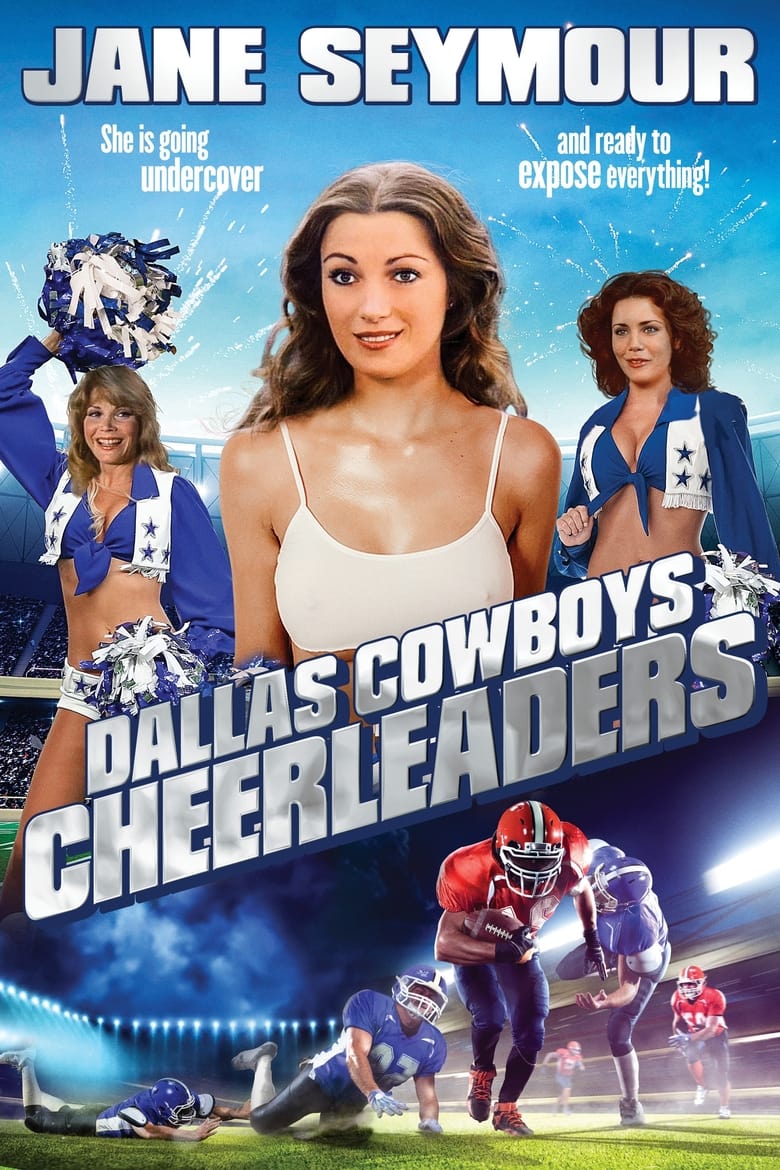
Dallas Cowboys Cheerleaders
1979
NRDirector
Bruce Bilson
Runtime
98 minutes
Average Rating
No ratings yetSynopsis
To salvage his job and the circulation of his magazine, an editor decides to publish an expose revealing the inside story of the famed cheerleading squad and plants his reporter/girlfriend among the girls.
Where to Watch
Diversity & Representation
Overall Score
Limited
Category Breakdown
LGBTQ+ Representation
The film lacks evidence of non-cisnormative identities. The story centers on a traditional heterosexual romance between an editor and his reporter girlfriend.
Gender Representation
While the cheerleaders provide a platform for female agency, the plot is driven by a male editor's professional stakes. This risks framing the women as spectacle rather than leaders.
Racial & Ethnic Diversity
The film likely adheres to the homogeneous casting patterns of the late 1970s. There is no evidence of diverse racial or ethnic representation within the squad.
Religious & Cultural Diversity
The narrative reinforces traditional Western institutions like journalism and American sports culture. It follows a standard professional-success arc without challenging social values.
Disability Representation
There is no discernible focus on neurodivergence or physical disabilities within the narrative.
Strengths
- The film provides a platform for female agency by exploring the internal dynamics of a female-dominated organization.
Areas for Improvement
- The narrative relies on traditional gendered tropes, centering male professional stakes over female leadership.
- The film lacks representation of LGBTQ+ identities or non-cisnormative narratives.
- Casting appears to follow the homogeneous demographic norms of the late 1970s.
- There is no visible focus on disability or neurodivergence.
AI Analysis
Dallas Cowboys Cheerleaders is a conventional 1979 period piece that mirrors the social and demographic hierarchies of its era. The storytelling follows traditional broadcast standards, prioritizing established professional and romantic structures over narrative subversion. The film's focus on a male editor's career trajectory suggests a hierarchy where male professional stakes dictate the movement of the female characters. While the cheerleaders are the central subject, they are often viewed through a lens of spectacle. Ultimately, the work offers limited disruption to social norms. It functions as a standard drama that reflects the mainstream American media landscape of the late seventies.
Rate this Movie
Reviews
No reviews yet. Be the first to share your thoughts on this movie!
Use the rating form above to leave a star rating and optional review.