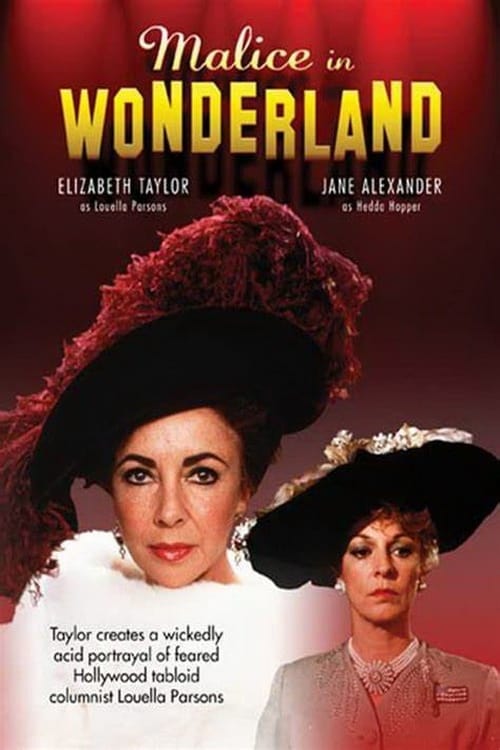
Malice in Wonderland
1985
No user ratings available yet
Diversity score: 4.3 out of 10

1985
UnratedDirector
Karen Arthur
Runtime
104 minutes
Average Rating
No ratings yetSynopsis
A dramatization of Gloria Steinem's undercover investigation of the working conditions Bunnies faced at the Playboy Clubs.
Overall Score
Good
Category Breakdown
LGBTQ+ Representation
The film focuses primarily on the intersection of gender and labor within the Playboy Club ecosystem. There is no explicit evidence of LGBTQ+ characters or non-heteronormative identities in the narrative.
Gender Representation
The story subverts traditional hierarchies by centering a female protagonist who uses intellectual agency to challenge patriarchal structures. Women are portrayed as active investigators rather than passive objects of the male gaze.
Racial & Ethnic Diversity
The film's racial composition is not explicitly documented in the available context. While the setting historically involved complex racial dynamics, the specific diversity of the ensemble remains unconfirmed.
Religious & Cultural Diversity
The narrative critiques the intersection of capitalism and the commodification of women. It deconstructs the myth of glamour to reveal a site of systemic labor struggle and institutional exploitation.
Disability Representation
There is no evidence regarding the inclusion or portrayal of characters with physical or neurodivergent disabilities.
Strengths
Areas for Improvement
AI Analysis
A Bunny's Tale serves as a sharp critique of institutionalized patriarchy. By dramatizing Gloria Steinem's investigation, the film shifts the focus from the spectacle of the Playboy Clubs to the systemic exploitation of the women working within them. The film's primary strength is its portrayal of female agency. It replaces the traditional 'glamour' trope with a sociopolitical investigation, positioning women as intellectual actors capable of dismantling the structures that commodify them. However, the film lacks clear evidence of LGBTQ+ representation or specific details regarding racial diversity. While it successfully challenges gendered power dynamics, its broader inclusivity remains largely unaddressed in the narrative framework.
1985

1996

1993
No reviews yet. Be the first to share your thoughts on this movie!
Use the rating form above to leave a star rating and optional review.