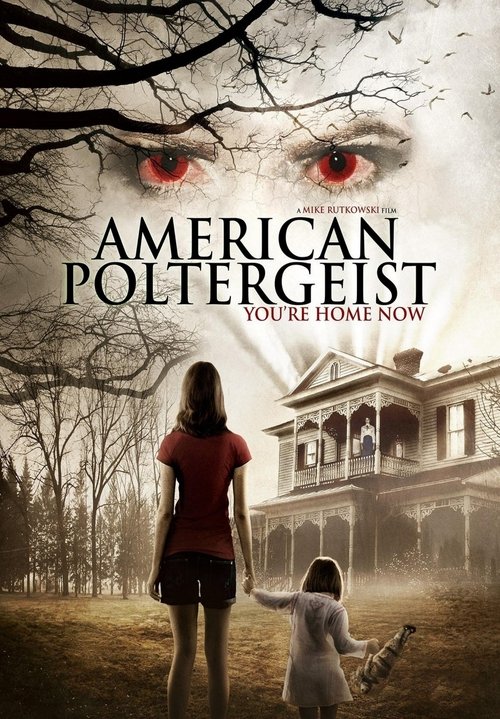
American Poltergeist
2015
No user ratings available yet
Representation score: 3.8 out of 10
Representation Score
Minimal
2015
Not RatedDirector
John R. Walker
Runtime
99 minutes
Average Rating
No ratings yetNew Showbiz Analysis
The film functions as a traditional horror movie focusing on legacy and historical investigation. Although it features a female lead, the narrative lacks complexity in addressing multiple aspects of diversity. The story adheres to standard genre conventions and does not disrupt cultural norms, resulting in a limited diversity profile. Ultimately, the film emphasizes mystery and local lore without incorporating progressive themes.
Category Breakdown
The film does not include any characters with LGBTQ+ identities or same-sex relationships. The focus is on traditional friendships and family ties.
Fawn Harriman serves as the main female protagonist, providing a strong female perspective. However, she fits within typical genre roles without challenging these conventions.
The film does not specify the racial or ethnic backgrounds of the characters. There is no indication of diverse representation or inclusive casting practices.
The story follows conventional horror clichés centered around local legends and historical mysteries. It does not challenge traditional institutions or cultural norms.
The film does not address any physical disabilities, mental health conditions, or neurodivergence. These traits are not explored within the narrative.
Present on Screen
Limited or Absent
Official Synopsis
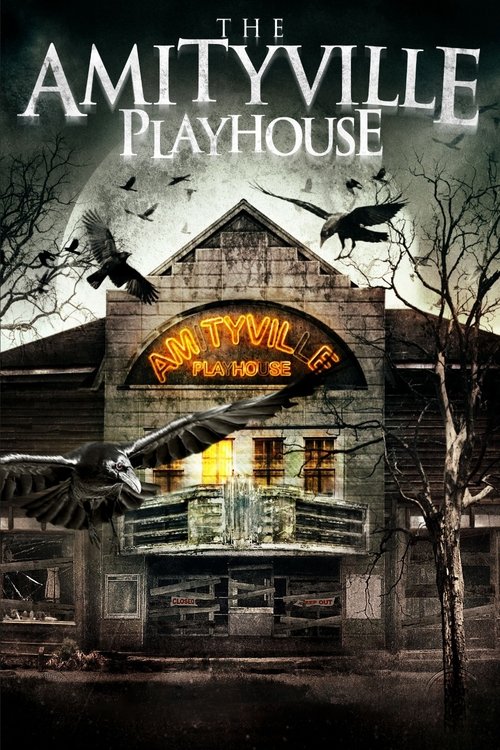
Following the tragic death of her parents Fawn Harriman discovers she has inherited a theatre in the town of Amityville. She, along with 3 friends, decides to spend the weekend there looking the place over. Meanwhile one of her High School teachers begins an investigation into the village's past and makes a connection with something that goes back beyond recorded history.
2015
2015
2017

2016
2011
2015
2016
2016
No reviews yet. Be the first to share your thoughts on this movie!
Use the rating form above to leave a star rating and optional review.