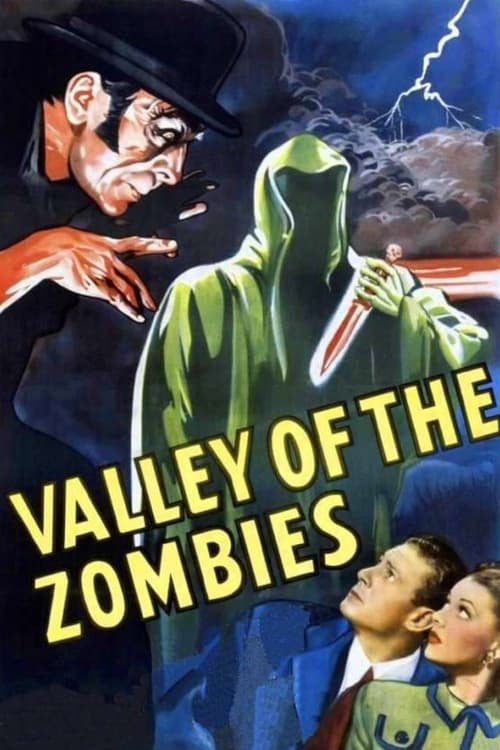
Valley of the Zombies
1946
No user ratings available yet
Representation score: 2.4 out of 10
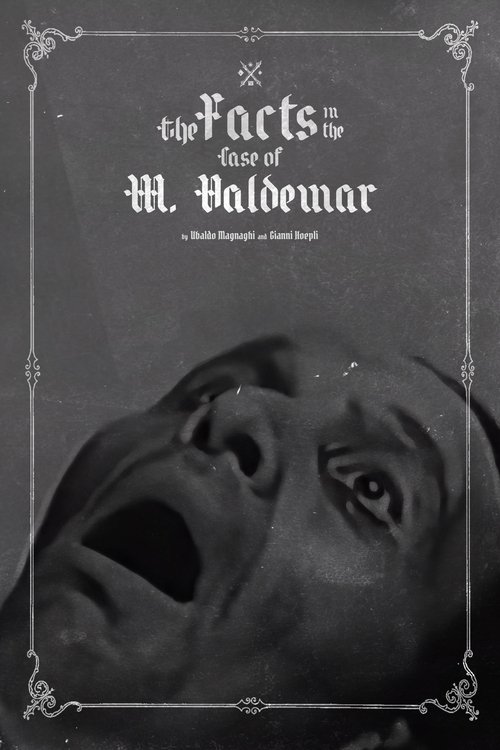
Representation Score
Minimal
1936
Director
Gianni Hoepli, Ubaldo Magnaghi
Runtime
12 minutes
Average Rating
No ratings yetNew Showbiz Analysis
This 1936 horror film reflects the social and demographic norms of its time. It centers on traditional masculine power structures, focusing on a male doctor and his patient. The narrative does not challenge established social hierarchies or promote progressive values. Instead, it adheres to the narrative and technical conventions of early 20th-century European cinema. The film's representation is limited, using physical frailty primarily to drive the horror elements rather than offering meaningful character development.
Category Breakdown
The film does not feature any characters with non-straight or non-cisgender identities, nor does it depict any same-sex relationships.
The story revolves around a male doctor and a male patient. Female characters have limited roles and do not significantly influence the plot.
Given its 1936 Italian production, the film features a predominantly white cast with no evident multicultural representation.
The film delves into themes of mortality and scientific ethics within the gothic horror genre. It does not critique Western cultural or religious institutions.
The storyline hinges on a dying man undergoing a hypnotic experiment. Physical vulnerability is used as a horror element rather than exploring disability in depth.
Present on Screen
Limited or Absent
Official Synopsis
A doctor performs an experiment on a dying man by placing him under hypnosis on his deathbed.
1946
1928
1927
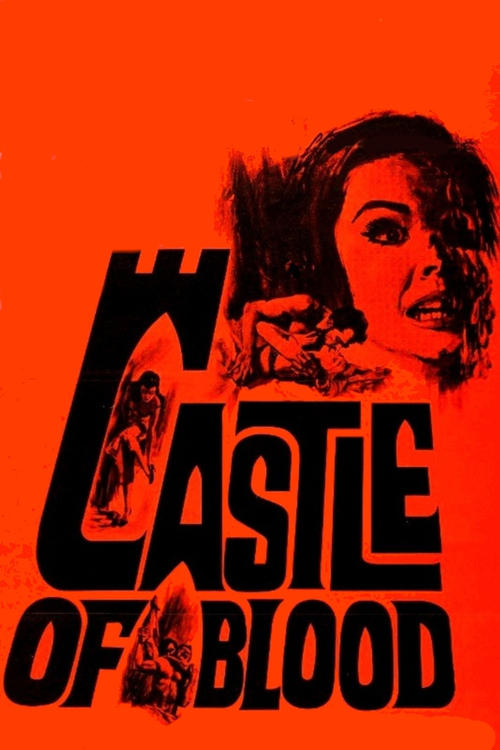
1964
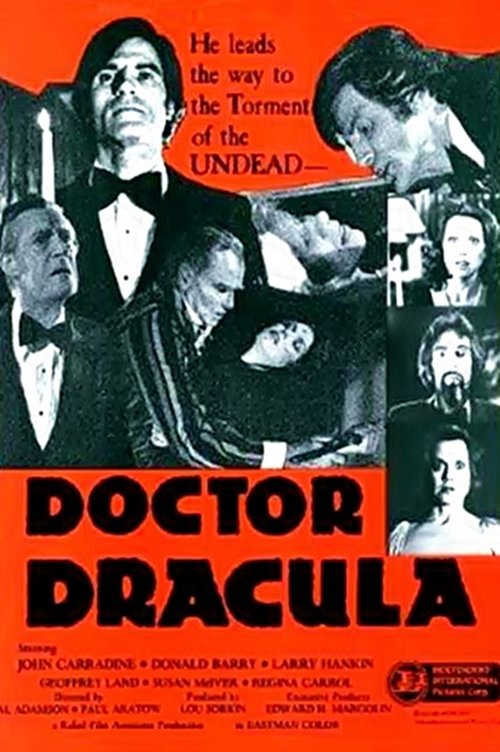
1978
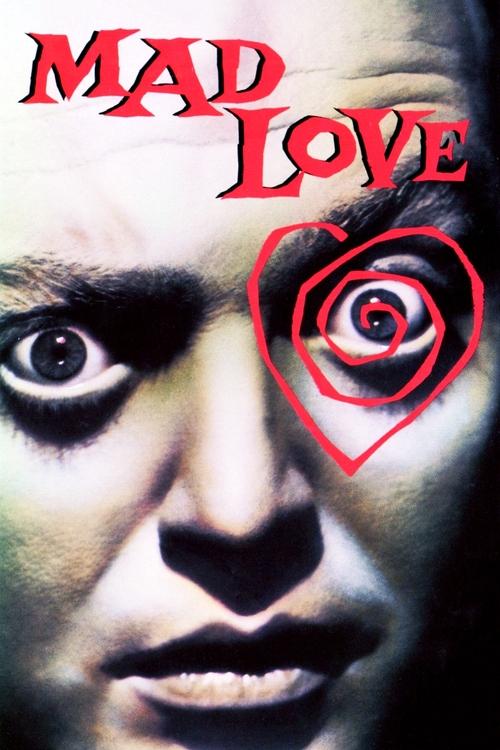
1935
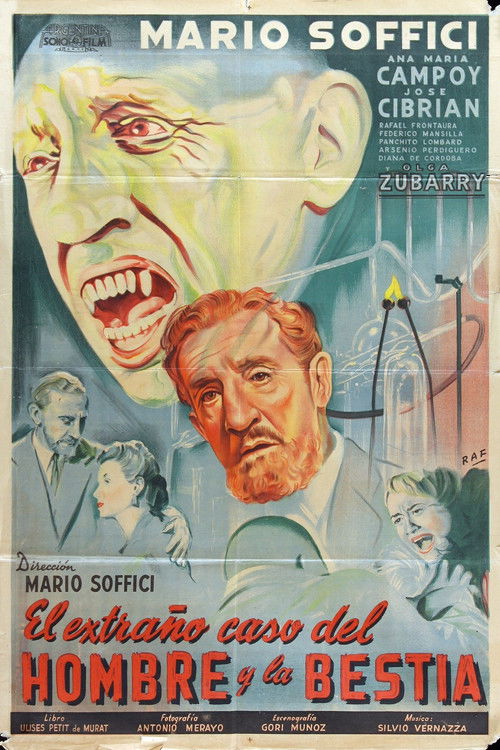
1951
1943
No reviews yet. Be the first to share your thoughts on this movie!
Use the rating form above to leave a star rating and optional review.