The Wild Oat
1953
No user ratings available yet
Diversity score: 3.1 out of 10
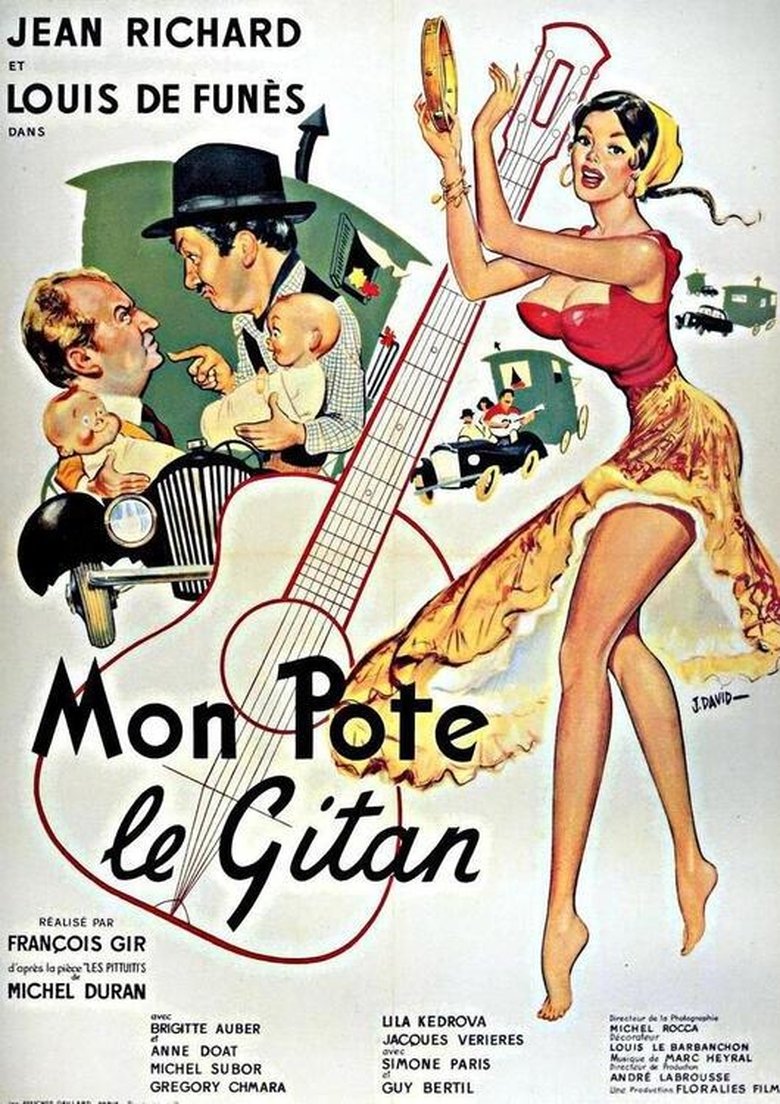
1959
Director
François Gir
Runtime
87 minutes
Average Rating
No ratings yetSynopsis
The "Védrines", whose head of family is a publisher, are well established in Paris. The "Pittuiti", on the other hand, are gypsies camping out in the suburbs. Young Zita belongs to the tribe and meets Théo Védrines, the publisher's son, a wild seducer. Zita is soon forced to tell her family that she is expecting a child. A scandal for the Pittuiti family, who instruct Zita's brother to apply the law of retaliation, Bruno must in turn seduce the pleasant Gisèle Védrines. And why not? But while Théo gradually becomes an anarchist, Bruno becomes more and more embourgeoise as Védrines discovers in him a real talent for writing. Still, Bruno and Gisèle will be as happy as Théo and Zita ever were.
Overall Score
Fair
Category Breakdown
LGBTQ+ Representation
The film lacks explicit LGBTQ+ characters or non-heteronormative identities. The plot centers on traditional romantic entanglements and the biological consequences of pregnancy.
Gender Representation
Gender roles follow conventional 1950s archetypes, such as the wild seducer and the domestic consequences faced by Zita. The narrative does not actively subvert patriarchal hierarchies.
Racial & Ethnic Diversity
The story explores friction between the Parisian bourgeoisie and the Romani Pittuiti community. It centers on inter-group romance between these two distinct social groups.
Religious & Cultural Diversity
The film examines tensions between institutional stability and outsider lifestyles. It measures social disruption through the lens of class and the Pittuiti's nomadic culture.
Disability Representation
There is no evidence of characters with visible or invisible disabilities within the narrative.
Strengths
Areas for Improvement
AI Analysis
My Pal the Gypsy functions as a mid-century social comedy that explores the boundaries between the established Parisian bourgeoisie and the Romani community. While the film introduces cultural friction through the romance between Théo and Zita, it operates within the traditional comedic frameworks of 1959 French cinema. The narrative relies heavily on period-specific tropes, particularly regarding courtship and the social scandals surrounding unplanned pregnancy. It lacks the intersectional complexity or intentional subversion of systemic hierarchies found in more progressive works. Ultimately, the film serves as a study of class and ethnic friction, but it remains anchored to the social mores and structural expectations of its era.
1953
1957
2013
1964
1959
1984
2000

1970

1956
1980
1959

1966
No reviews yet. Be the first to share your thoughts on this movie!
Use the rating form above to leave a star rating and optional review.