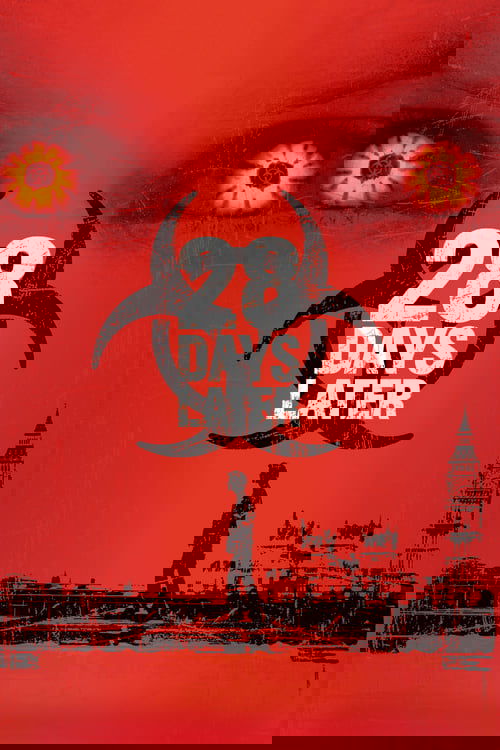
28 Days Later
2002
No user ratings available yet
Representation score: 8.2 out of 10
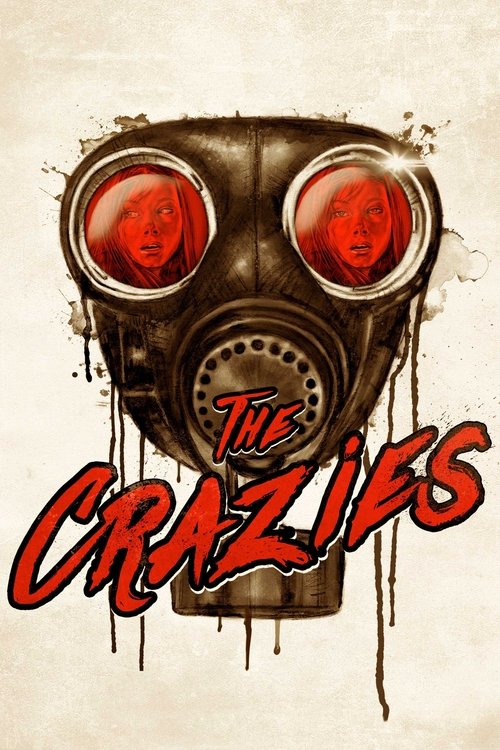
Representation Score
Fair
1973
RDirector
George A. Romero
Runtime
103 minutes
Average Rating
No ratings yetNew Showbiz Analysis
George A. Romero uses the horror genre to critique systemic failures. The film's strength lies in its postmodern skepticism toward state authority and the deconstruction of established social hierarchies. While the film lacks demographic diversity in terms of race, gender, and orientation, it succeeds through its thematic depth. It replaces traditional morality with a stark, situational ethics driven by survival. Ultimately, the film transcends standard genre clichés by presenting the government's response as a source of terror rather than protection.
Category Breakdown
There are no visible LGBTQ+ characters or narratives in the film. It centers on a traditional heterosexual relationship.
Karen plays a significant role in driving the plot, showing strong independence. However, the film adheres to typical 1970s genre conventions about masculinity.
The casting is predominantly white, reflecting the rural Pennsylvania setting. The narrative focuses on the biological contagion without multi-layered depth.
The film critiques the fragility of Western institutions, portraying the military and government as predatory or incompetent, highlighting the instability of societal structures.
The virus-induced insanity serves as a neurological condition that drives chaos. The affected characters lack a significant role in driving the story and nuanced representation.
Present on Screen
Limited or Absent
Official Synopsis
The military attempts to contain a manmade virus causing death and permanent insanity in those infected, as it overtakes a small Pennsylvania town.
2002
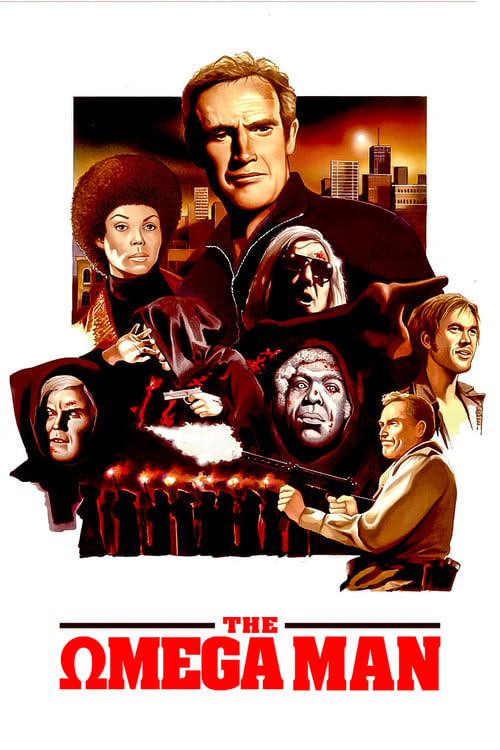
1971
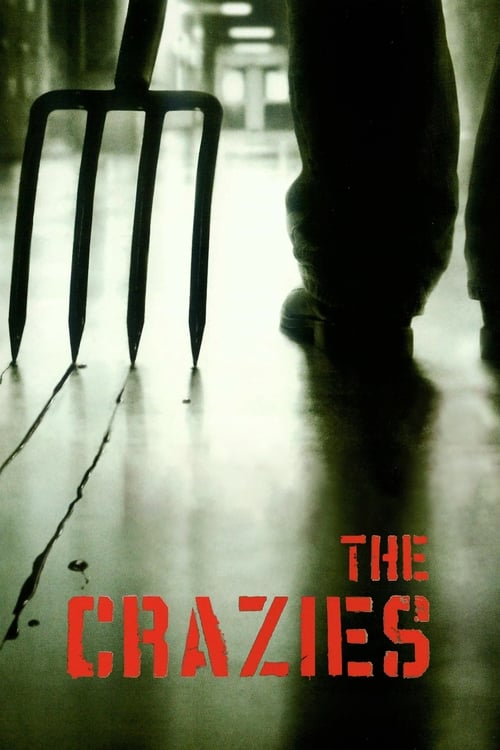
2010
1975

2007
1954

2002
1971
No reviews yet. Be the first to share your thoughts on this movie!
Use the rating form above to leave a star rating and optional review.