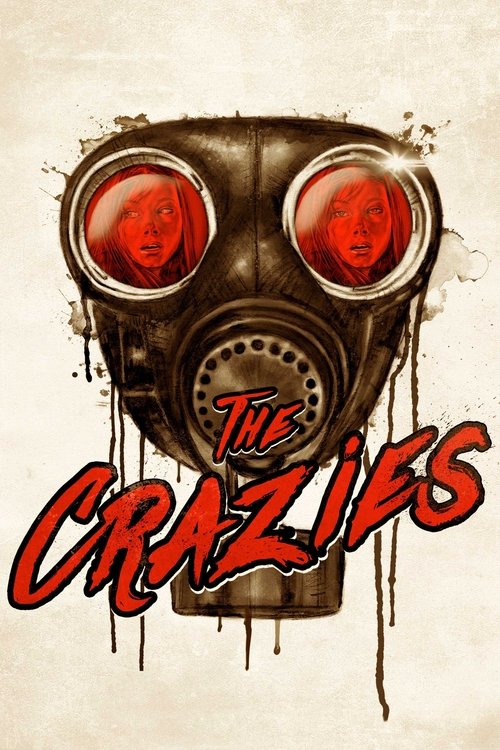
The Crazies
1973
No user ratings available yet
Representation score: 4.7 out of 10
Representation Score
Fair
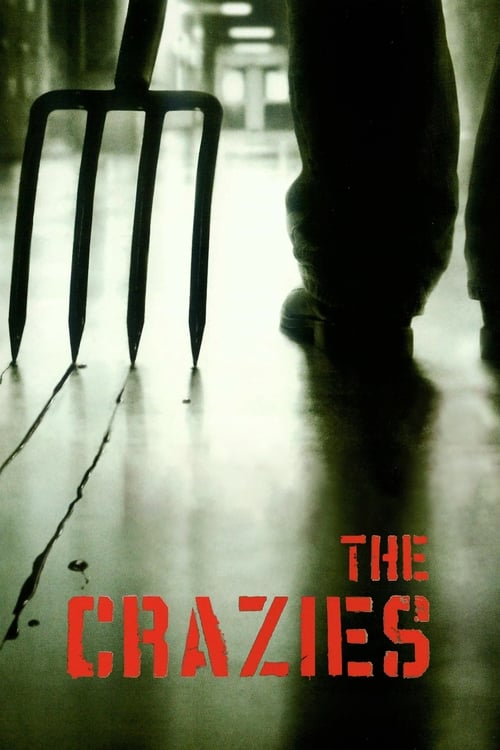
2010
RDirector
Breck Eisner
Runtime
101 minutes
Average Rating
No ratings yetNew Showbiz Analysis
The Crazies functions primarily as a genre-driven survival thriller that prioritizes its critique of systemic authority over social diversity. While it succeeds in challenging traditional gender roles, it fails to provide meaningful representation for LGBTQ+ or diverse racial groups. The film's strength lies in its skepticism toward institutional power, creating a compelling landscape of moral relativism. However, this thematic depth does not translate into a diverse cast or inclusive character studies. Ultimately, the film remains limited by its homogeneous demographic and its use of neurological impairment as a mere horror mechanic.
Category Breakdown
The film adheres to a strictly straight-centered framework, focusing on conventional romantic relationships without any representation of LGBTQ+ identities. There is no presence of non-traditional gender identities or sexual orientations.
Judy avoids the passive female victim cliché common in horror films. She demonstrates a significant role in driving the story and intelligence, forming a decisive partnership with David to survive the outbreak.
Casting is predominantly homogeneous, reflecting a small-town American demographic. The narrative lacks diverse racial or ethnic perspectives among the core driving cast.
The film sharply critiques Western institutional authority. It portrays military and government entities as predatory, prioritizing systemic control over individual human lives.
Neurological impairment is used primarily as a violent plot device. The film lacks nuanced portrayals of neurodivergence, treating affected characters as instruments of chaos rather than people.
Present on Screen
Limited or Absent
Official Synopsis
Four friends find themselves trapped in their small hometown after they discover their friends and neighbors going quickly and horrifically insane.
1973
1971
2016
1975
2009
2018
2006
2015
No reviews yet. Be the first to share your thoughts on this movie!
Use the rating form above to leave a star rating and optional review.