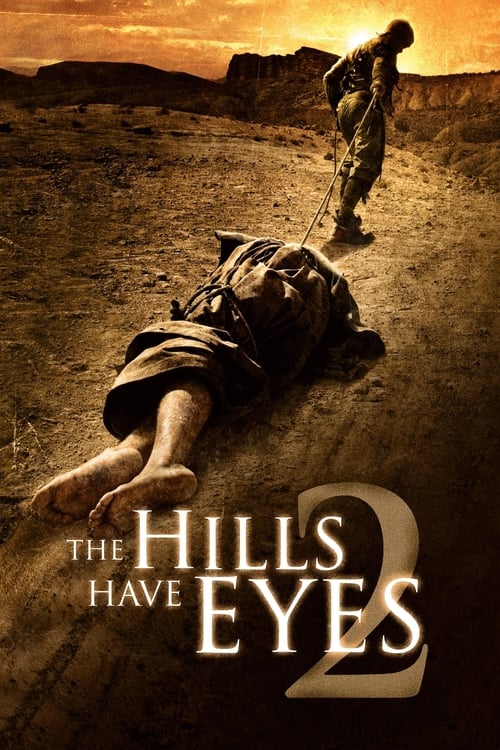
The Hills Have Eyes 2
2007
No user ratings available yet
Representation score: 3.7 out of 10
Representation Score
Limited
2006
RDirector
Alexandre Aja
Runtime
107 minutes
Average Rating
No ratings yetNew Showbiz Analysis
The film emphasizes visceral survival over diverse representation. It uses traditional horror elements but recontextualizes them within a landscape shaped by government actions. While it lacks in traditional diversity metrics, it offers complexity through its critique of Western institutions. The desert setting highlights the failures of military experimentation and state responsibility. Ultimately, the film dismantles the stable Western family archetype, presenting a world where traditional social structures collapse, leaving only the raw struggle for survival.
Category Breakdown
The film does not include any characters or themes related to LGBTQ+ identities. The story focuses solely on the survival of a traditional family unit.
Men start as protectors, but the film challenges these roles through extreme trauma. Women avoid being passive victims by actively confronting their situation, though the dialogue doesn't explore gender nuances deeply.
The main characters are a homogeneous white American family. The story stays within a closed environment without engaging with broader multicultural dynamics or ethnic diversity.
The film criticizes Western institutional authority by showing a wasteland created by government nuclear tests. It portrays civilized travelers and mutant antagonists through shared primal violence.
Characters with physical impairments and mutations are shown, but these depictions emphasize the monstrous. Mutations serve as metaphors for systemic negligence rather than exploring the lived experiences of disability.
Present on Screen
Limited or Absent
Official Synopsis
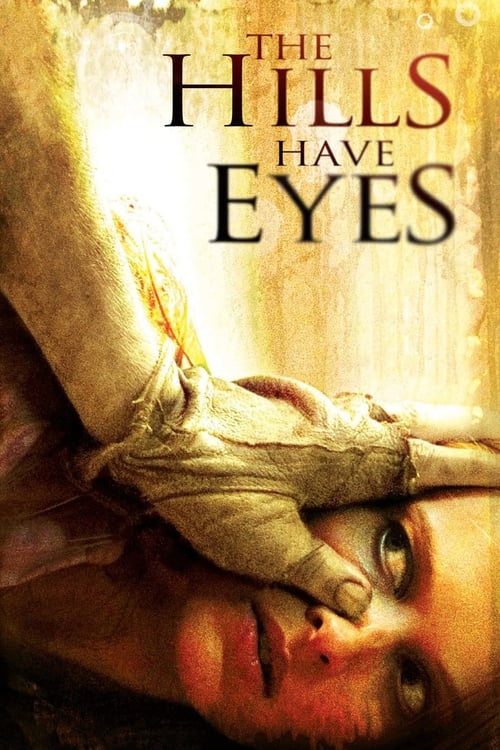
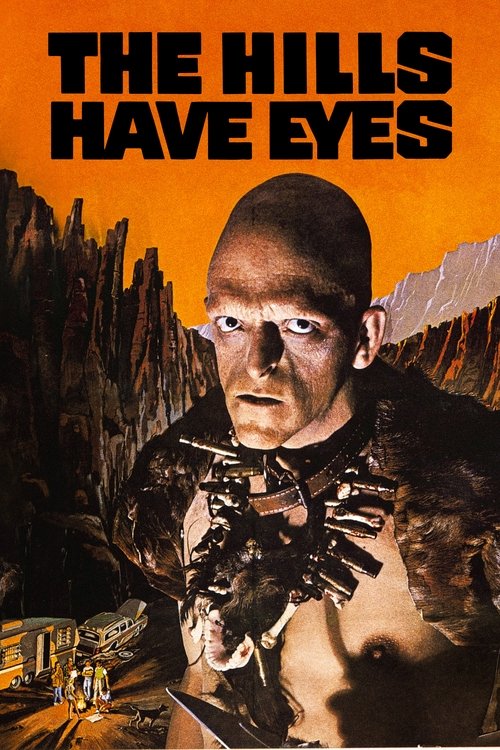
Based on Wes Craven's 1977 suspenseful cult classic, The Hills Have Eyes is the story of a family road trip that goes terrifyingly awry when the travelers become stranded in a government atomic zone. Miles from nowhere, the Carter family soon realizes the seemingly uninhabited wasteland is actually the breeding ground of a blood-thirsty mutant family...and they are the prey.
2007
1977
2007
2009
2018
1966

2003
1979
No reviews yet. Be the first to share your thoughts on this movie!
Use the rating form above to leave a star rating and optional review.