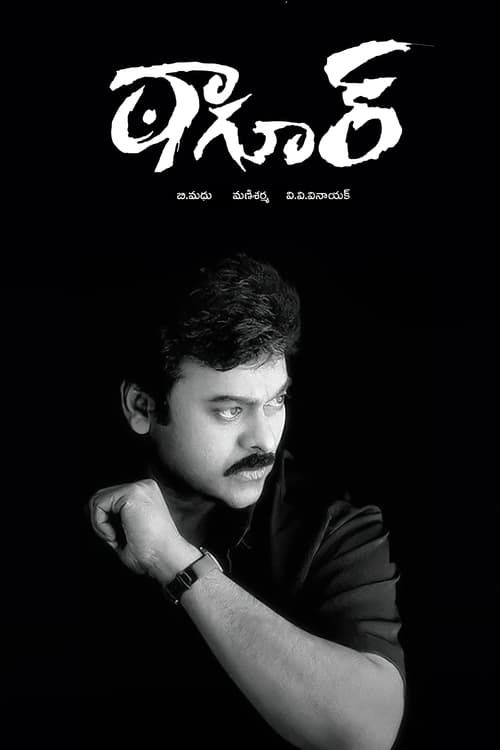
Tagore
2003
No user ratings available yet
Representation score: 4.5 out of 10
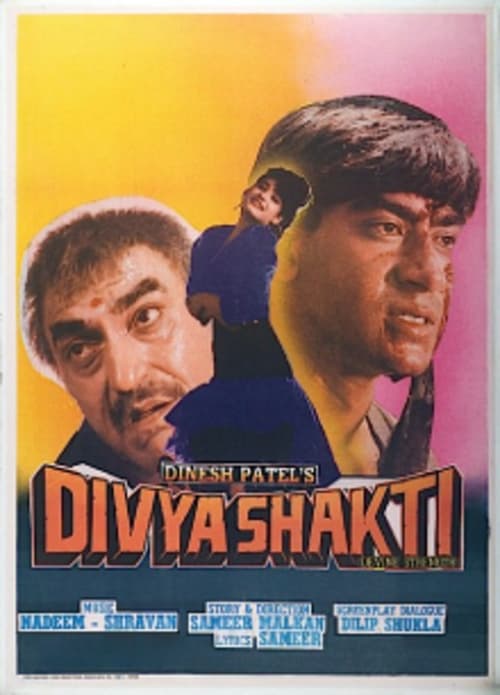
Representation Score
Limited
1993
Director
Sameer Malkan
Runtime
180 minutes
Average Rating
No ratings yetNew Showbiz Analysis
Divya Shakti exemplifies the 1990s 'angry young man' cliché. The film prioritizes individualist heroism and traditional moral binaries over multi-layered complexity. While it critiques local institutional corruption, it does so through a lens of masculine empowerment. The narrative architecture focuses on high-stakes melodrama, avoiding the subversion of social hierarchies or the inclusion of underrepresented identities.
Category Breakdown
The film does not include any LGBTQ+ characters or explore non-cisgender identities. It follows the assumption that everyone is straight and cisgender, typical of mainstream South Asian cinema from the early 1990s.
The story centers around a male-driven hero's journey, emphasizing masculinity. Female characters mainly serve as emotional stakes or victims, lacking roles that drive the plot forward.
The cast is primarily South Asian, offering a culturally authentic representation. There is no evidence of whitewashing or casting biases favoring Western actors.
The film explores systemic corruption through a traditional moral struggle. It emphasizes individualistic vigilante justice over a critique of capitalism or collective social restructuring.
The protagonist loses limbs due to physical trauma. These elements serve as narrative devices to heighten tragedy rather than presenting a nuanced portrayal of disability.
Present on Screen
Limited or Absent
Official Synopsis
An idealistic journalist (Devgan) gets weary & tired of witnessing the reign of crime, police corruption & injustice in his city & decides to wage a one-man war against the psychotic king maker 'Tau' played by the legendary Amrish Puri. His journey costs him his limbs & loved ones as he goes on a vigilante style brute fest right into the lair & dark world of the two faced Tau & his cronies. Death & Destruction follow the war path.
2003
2015
1995
2011
1998

2017

1996
2006
No reviews yet. Be the first to share your thoughts on this movie!
Use the rating form above to leave a star rating and optional review.