
21 x New York
2016
No user ratings available yet
Representation score: 5.9 out of 10
Representation Score
Fair
2018
Director
Luciana Kaplan
Runtime
90 minutes
Average Rating
No ratings yetNew Showbiz Analysis
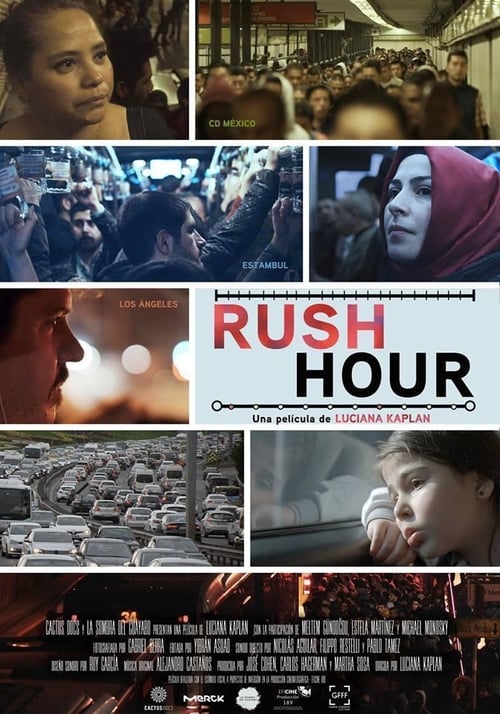
Luciana Kaplan’s documentary presents a globalized perspective on the challenges of modern urban labor. By focusing on Mexico City, Istanbul, and Los Angeles, it challenges the notion of a universal commuter experience. The film excels in its emphasis on racial and ethnic diversity, providing a platform for diverse identities to explore shared struggles across varied socioeconomic contexts. However, it lacks specific data on LGBTQ+ representation or disability, focusing primarily on the logistical and systemic aspects of commuting.
Category Breakdown
The documentary focuses on the logistics of daily commuting. There is no explicit evidence regarding the sexual orientation or gender identity of the subjects.
The film explores how gender roles affect the experience of commuting between public and private spaces. It looks at how these roles shape the daily journey.
The film centers stories in Mexico City, Istanbul, and Los Angeles, ensuring a non-Anglo-Saxon majority drives the core themes. This approach highlights diverse perspectives.
The narrative critiques capitalist structures by framing the commute as a lost period of life. It emphasizes the lived experiences of subjects within their urban environments.
While long commutes can affect physical health and mobility, there is no specific evidence confirming the presence of characters with visible or invisible disabilities.
Present on Screen
Limited or Absent
Official Synopsis
Documentary film about the daily odyssey that involves moving from home to work in three different cities of the world: Mexico City, Istanbul and Los Angeles. Three stories, three cities and three characters in different contexts but similar realities that survive long journeys and time of life lost.
2016

2011

2013

2022
2006

2011

1996
1998
No reviews yet. Be the first to share your thoughts on this movie!
Use the rating form above to leave a star rating and optional review.