
Daddy's Girl
1996
No user ratings available yet
Representation score: 0.6 out of 10
Representation Score
Fair
1989
RDirector
John D. Patterson
Runtime
95 minutes
Average Rating
No ratings yetNew Showbiz Analysis
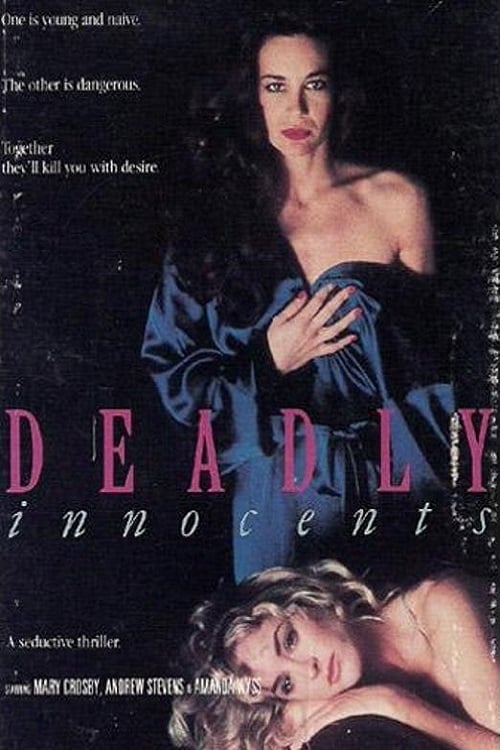
Deadly Innocents operates more as a deconstruction of social institutions than a study in demographic diversity. While it lacks racial or LGBTQ+ representation, it excels in subverting traditional power structures. The film's strength lies in its rejection of the sanctity of the nuclear family and its critique of patriarchal religious authority. The narrative uses the concept of innocence to dismantle moral expectations. By focusing on the autonomy of children committing anti-social acts, it replaces traditional societal goodness with a landscape of systemic dysfunction and individual control. Ultimately, the film is a psychological study of institutional breakdown. It prioritizes a radical, albeit dark, exploration of how rigid social hierarchies can fail the individuals within them.
Category Breakdown
The film does not include any identifiable LGBTQ+ characters or stories. Instead, it focuses on the psychological tension between the main characters and the breakdown of traditional gender roles in the home.
Angela's forced masculine behavior due to her father's influence highlights the critique of rigid gender roles. Her interactions with Beth allow her to challenge these imposed roles through a destructive partnership.
The film's casting is homogeneous, reflecting its era and suburban setting. There is no indication of racial diversity or non-Anglo-Saxon perspectives in the narrative.
The film sharply critiques Western institutions such as the family and religion. It portrays these structures as oppressive rather than supportive forces in the characters' lives.
Beth's split personality drives the plot's progression. However, the film primarily uses her mental instability as a thriller element rather than a nuanced exploration of neurodivergence.
Present on Screen
Limited or Absent
Official Synopsis
Angela is a sensitive teenager and her fanatically religious father has forced her to dress and work like a boy in his gas station. When Beth, who has a split personality, escapes from the sanitarium, she meets Angela. Beth tempts Angela to be a real girl by wearing Angela mother's clothes. Then both become a lethal combination.
1996
1965

1988

1986

1992
2010

1992

1999
No reviews yet. Be the first to share your thoughts on this movie!
Use the rating form above to leave a star rating and optional review.