
Who Killed Bambi?
2003
No user ratings available yet
Diversity score: 4.1 out of 10

1975
Director
Yves Boisset
Runtime
97 minutes
Average Rating
No ratings yetSynopsis
Julie Ballenger has spent five years in a psychiatric clinic. Leaving the clinic apparently cured, she is hired by a wealthy industrialist, Mostri, to work as a governess to his young nephew, Thomas. The boy is heir to a huge fortune after the recent death of his wealthy parents who died in mysterious circumstances. During a visit to a park, Julie and Thomas are kidnapped at gun-point and driven away to deserted quarry. The two hostages manage to escape, but are closely pursued by an armed killer...
Overall Score
Fair
Category Breakdown
LGBTQ+ Representation
The film lacks explicit evidence of LGBTQ+ characters or non-heteronormative dynamics. The narrative focuses on a caregiver and a wealthy industrialist.
Gender Representation
Julie Ballenger provides a central female perspective with professional agency. While she faces kidnapping, her survival relies on her intellect and active agency.
Racial & Ethnic Diversity
The setting suggests a homogeneous European social stratum. There is no evidence of a diverse or non-Anglo-Saxon majority cast.
Religious & Cultural Diversity
The story critiques capitalist structures and elite corruption. It explores class conflict and the moral ambiguity of the upper class.
Disability Representation
The protagonist's history with a psychiatric clinic introduces themes of mental health. This provides a framework for discussing institutionalization.
Strengths
Areas for Improvement
AI Analysis
Mad Enough to Kill is a genre thriller that prioritizes social critique over demographic breadth. It finds its strength in exploring power dynamics and institutional failures through the lens of class conflict. The film offers a moderate level of progressive representation by centering a female protagonist in a high-stakes survival struggle. However, it remains limited by a lack of racial and LGBTQ+ diversity. Ultimately, the work functions as a study of systemic corruption and the instability of social institutions, using the thriller format to challenge established hierarchies.
2003
1970
1994

1990
1964

1970

1993

2012
1974

1992
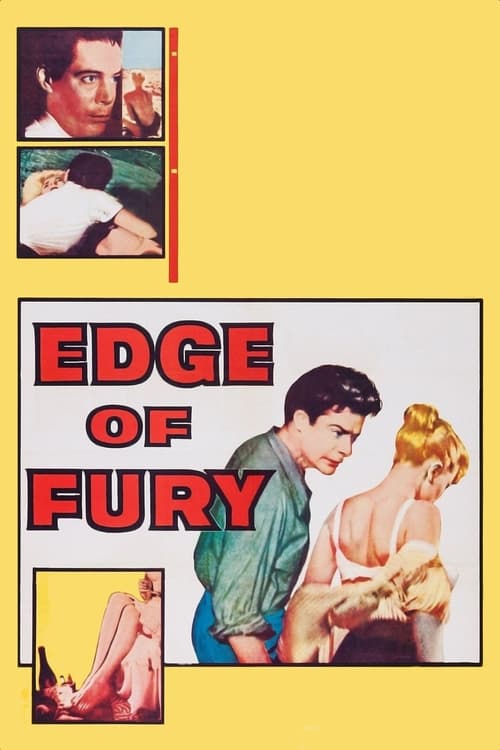
1958

1971
No reviews yet. Be the first to share your thoughts on this movie!
Use the rating form above to leave a star rating and optional review.