
Wicked
1998
No user ratings available yet
Representation score: 2.1 out of 10
Representation Score
Limited
1994
PG-13Director
Ron Beckstrom
Runtime
80 minutes
Average Rating
No ratings yetNew Showbiz Analysis
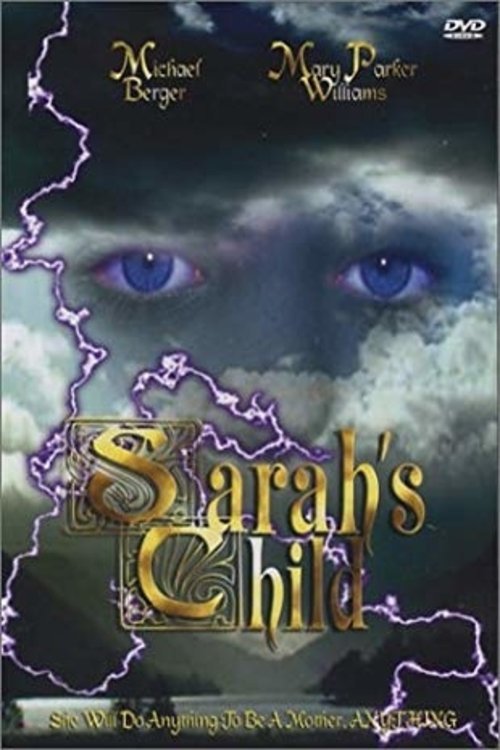
Sarah's Child operates as a conventional mid-90s psychological thriller, prioritizing individual domestic tragedy over systemic or cultural critique. The narrative relies heavily on established genre clichés, particularly regarding female instability and the sanctity of the nuclear family. While the film provides a deep dive into a character's psychological descent, it lacks complexity in reflecting multiple aspects of identity. The focus remains narrow, centering on a white, straight-centered experience within a traditional Western framework. Ultimately, the film functions to reinforce traditional anxieties rather than subverting them. It uses neurodivergence and gendered expectations as tools for suspense rather than nuanced character studies.
Category Breakdown
The story focuses on a romantic relationship between Sarah and Rome, which adheres to traditional heterosexual norms. There are no characters with non-cisgender identities or critiques of the assumption that everyone is straight or cisgender.
The plot delves into the psychological pressures surrounding biological motherhood and domesticity. Sarah's role is tied to traditional maternal duties, often reinforcing the 'unbalanced woman' stereotype.
The setting appears homogeneous, emphasizing a nuclear family dynamic. There is no indication of a multi-ethnic cast or diverse racial perspectives.
The film follows traditional Western dramatic structures centered on individual trauma. It reinforces social norms through a domestic thriller framework rather than challenging them.
Mental health is a central theme, but the film risks using psychological instability as a mere plot device. It relies on the 'madwoman' cliché to generate tension.
Present on Screen
Limited or Absent
Official Synopsis
Sarah LaMere had loved Michael Rome Matthews for a long time. She witnessed him marry her best friend, only to lose her along with two sons in an accident. Now that they are together at last she is devastated to learn that she can never have children. While Rome tries to accept this, Sarah believes motherhood is her only path to happiness and security with the man she loves and she becomes increasingly unbalanced. Seemingly out of nowhere children's clothes and toys appear in the house and then a strange young girl named Melissa appears, whom Sarah treats as her own child. When their landlady is horribly murdered after questioning Melissa, Rome fears the line separating reality and fantasy has been crossed.
1998

1965

2012

1956
1996

1988
2008

2019
No reviews yet. Be the first to share your thoughts on this movie!
Use the rating form above to leave a star rating and optional review.