2nd Chance
2022
No user ratings available yet
Representation score: 5.3 out of 10
Representation Score
Excellent
2022
TV-MADirector
Emma Schwartz
Runtime
74 minutes
Average Rating
No ratings yetNew Showbiz Analysis
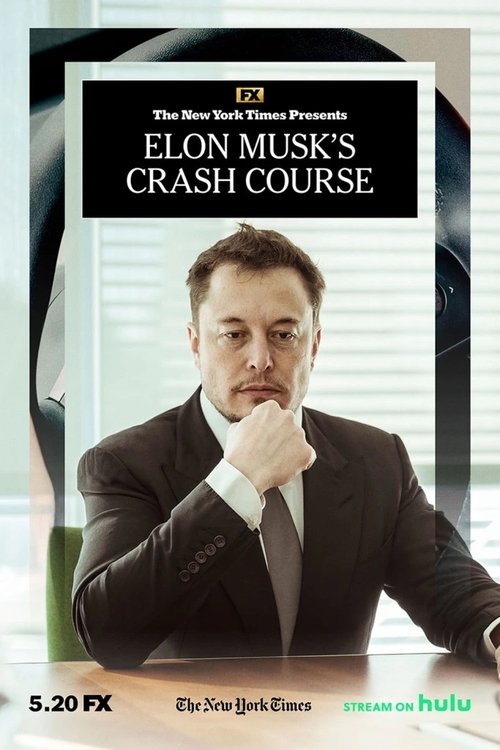
Elon Musk's Crash Course functions less as a study of identity and more as a critique of concentrated economic and technological power. The documentary's strength lies in its willingness to deconstruct the myth of the visionary entrepreneur, shifting the focus from corporate triumph to the human cost of systemic failure. While the film lacks deep engagement with specific underrepresented identities, it provides a progressive narrative structure by challenging the 'great man' archetype. It replaces celebratory industrialism with a rigorous investigation into how unchecked corporate ambition impacts public safety. Ultimately, the film's diversity value is found in its systemic perspective. It examines the intersection of capitalism and ethics, prioritizing the accountability of powerful institutions over the promotion of individualist success.
Category Breakdown
The film maintains a neutral stance regarding LGBTQ+ identities. It avoids assumptions that everyone is straight or cisgender but does not center LGBTQ+ narratives as a primary focus.
The documentary disrupts traditional masculine leadership archetypes. It critiques the hyper-masculine persona of Elon Musk and the unchecked authority of male-dominated industrial progress.
The narrative is driven by a singular, dominant figure rather than diverse casting. It lacks significant evidence of racialized narrative arcs or diverse character focus.
The film offers a sharp critique of Western capitalist structures. It prioritizes institutional truth-seeking and systemic accountability over individualist, meritocratic success stories.
The film touches on physical vulnerability through the tragic results of technological failure. However, it is unclear if this is framed through a specific disability lens.
Present on Screen
Limited or Absent
Official Synopsis
Elon Musk, the world's richest person, has claimed since 2015 that, for Tesla, technology for self-driving cars is a "solved problem," and made outlandish claims about Autopilot capabilities. But a New York Times investigation reveals the quixotic nature of Musk's pursuit of self-driving technology, and the tragic results.
2022
2022
2018
2016
2011
2019
2018
2015
No reviews yet. Be the first to share your thoughts on this movie!
Use the rating form above to leave a star rating and optional review.