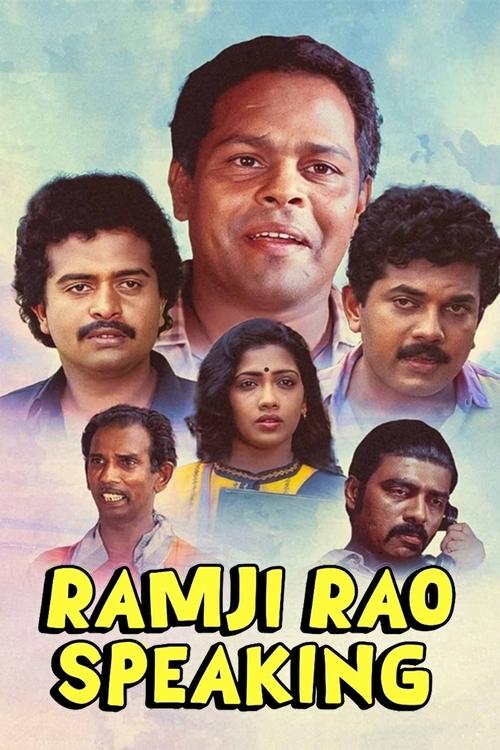
Ramji Rao Speaking
1989
No user ratings available yet
Representation score: 1.9 out of 10
No Poster Available
Representation Score
Minimal
1988
UDirector
Narasimha Rao Relangi
Runtime
138 minutes
Average Rating
No ratings yetNew Showbiz Analysis
Chikkadu Dorakadu reflects the social norms of 1980s Indian commercial cinema. While it offers a non-Western perspective, the film does not challenge systemic power dynamics or traditional hierarchies. The crime-drama blend focuses on maintaining social order, reinforcing rather than disrupting established norms. The film operates within a traditional cinematic framework, lacking the character-driven subversions needed to improve scores for gender, disability, or LGBTQ+ representation.
Category Breakdown
The film does not include any characters with non-straight identities. There are no visible character arcs that question or explore the idea that everyone is straight.
The film likely follows traditional gender roles common in 1980s regional cinema. Female characters do not have significant control over the story or challenge male leadership.
Being a regional Indian production, the film features a non-Western cast. However, there is no indication that it challenges internal ethnic or caste hierarchies.
The story likely adheres to typical cultural norms of late-80s commercial cinema. It reinforces traditional social and moral structures without questioning them.
The film does not feature any characters with visible or invisible disabilities. No such characters play a central role in the narrative.
Present on Screen
Limited or Absent
1989

2000
2021
1985
2019
1980

1995
2019
No reviews yet. Be the first to share your thoughts on this movie!
Use the rating form above to leave a star rating and optional review.