Pegasus
1973
No user ratings available yet
Representation score: 7.3 out of 10
Representation Score
Good
1979
Director
Raoul Servais
Runtime
9 minutes
Average Rating
No ratings yetNew Showbiz Analysis
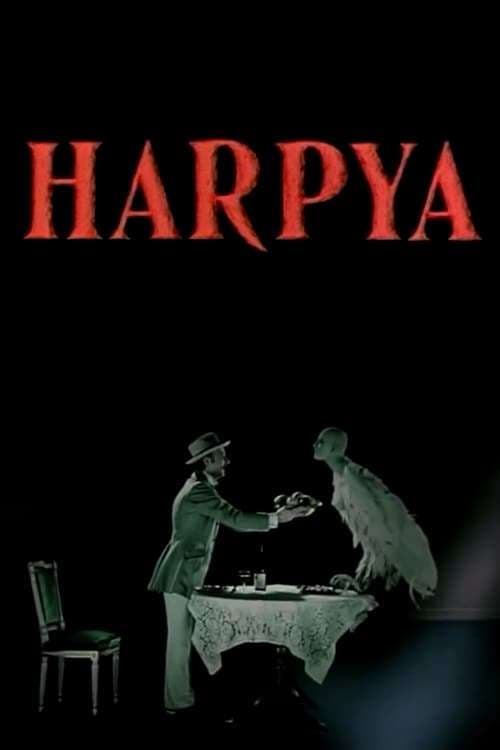
Harpya is a surrealist exploration of metamorphosis that prioritizes symbolic abstraction over social identity. Its strength lies in its subversion of traditional gender hierarchies, presenting a dominant female figure that challenges established power structures. However, the film's emphasis on the grotesque and universalized human form leads to a lack of specific LGBTQ+, racial, or ethnic representation. Non-normative bodies are used as metaphors rather than meaningful depictions of disability or identity. Ultimately, the film excels as a deconstruction of beauty and traditional structures, while remaining largely silent on multi-layered social realities.
Category Breakdown
The film does not include explicit LGBTQ+ characters or stories of same-sex relationships. Metamorphosis touches on fluid identity boundaries, but these elements are more metaphorical than direct representations of non-straight or non-cisgender identities.
The harpy figure challenges traditional gender roles by being aggressive and dominant. By centering a female-coded entity that controls the protagonist’s journey, it upends conventional gender hierarchies.
The film lacks a diverse cast representing various ethnicities. Instead, it focuses on surreal and grotesque imagery, emphasizing universal human forms over specific racial or ethnic identities.
The narrative avoids singular religious or traditional Western moral frameworks. Instead, it critiques idealized Western aesthetics through grotesque imagery, highlighting the absurdity of beauty standards.
Significant bodily changes and metamorphosis represent non-standard forms. However, these transformations serve as psychological tools rather than characters with real-life experiences and ability to act.
Present on Screen
Limited or Absent
Official Synopsis
An unknowing man rescues a rather aggressive and demanding harpy.
1973
1963
1968

1973
1988

1980

2000
1970
No reviews yet. Be the first to share your thoughts on this movie!
Use the rating form above to leave a star rating and optional review.