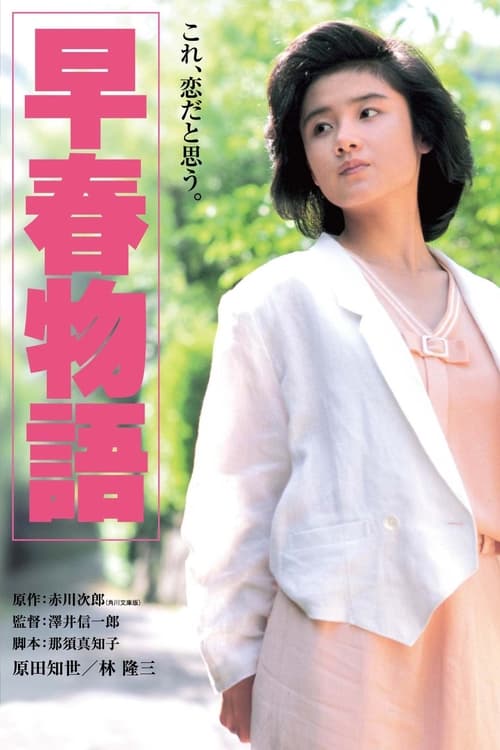
Early Spring Story
1985
No user ratings available yet
Representation score: 3.9 out of 10
Representation Score
Fair
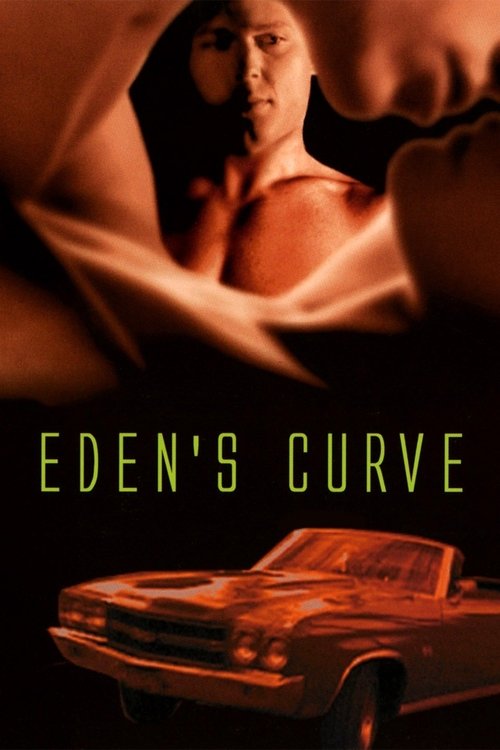
2003
Not RatedDirector
Anne Misawa
Runtime
93 minutes
Average Rating
No ratings yetNew Showbiz Analysis
Eden's Curve is a period drama that prioritizes the deconstruction of social hierarchies through unconventional romantic connections. It excels in its exploration of non-straight relationships and the subversion of traditional masculine roles during the early 1970s. However, the film's scope is limited by its demographic focus. The narrative appears confined to a homogeneous, white, Anglo-Saxon social circle, offering little in the way of racial or ethnic diversity. Ultimately, the film is a study of emotional truth against institutional morality, trading broad social representation for a deep dive into non-traditional relationship structures.
Category Breakdown
The film focuses on non-straight relationships, including a three-way relationship and a central same-sex romance. This intimacy serves as a critique of the 1970s assumption that everyone is straight.
The story challenges traditional masculine expectations by highlighting Peter's vulnerability and emotional involvement. It shifts traditional power dynamics through emotionally driven interactions between the male leads.
Set at an exclusive Virginia university in 1972, the cast appears predominantly white and Anglo-Saxon. There is no significant non-white representation among the core characters.
The story uses moral relativism to frame taboo behaviors as personal discovery. It critiques the rigidity of traditional Western social institutions by prioritizing subjective emotional truth.
The film provides no information regarding characters with visible or invisible disabilities.
Present on Screen
Limited or Absent
Official Synopsis
A coming of age romantic drama set in 1972 based on real life events. It is 1972 and muscularly handsome blond Peter heads off to an exclusive Virginia university, unsure of what to expect. He joins a fraternity house where he meets William, a classics major who has a strong attraction to him. Despite their flirting the reserved Peter becomes romantically involved in a menage a trois with his room mate Joe and Joe's girlfriend Bess. When the trio's social bliss is disrupted by a violent episode Peter is taken in and protected by Ian, his poetry professor. recuperating at Ian's idyllic country house, Peter soon falls in love with his hunky professor. Of course, their hot and heavy affair which includes skinny dipping, passionate sex and bathing outdoors is taboo. When jealousy rears its ugly head, Peter and Ian's happiness is threatened.
1985
2009
2003
2006

2018
2005

2014

2004
No reviews yet. Be the first to share your thoughts on this movie!
Use the rating form above to leave a star rating and optional review.