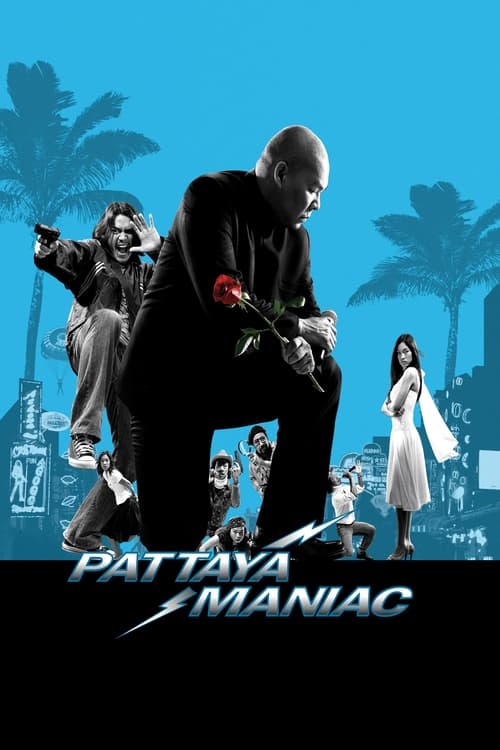
Pattaya Maniac
2004
No user ratings available yet
Representation score: 4.4 out of 10

Representation Score
Fair
1996
Director
Tsui Hark
Runtime
106 minutes
Average Rating
No ratings yetNew Showbiz Analysis
Tsui Hark’s film blends crime, romance, and religious themes into a cohesive narrative. By focusing on the intersection of underrepresented labor and religious authority, the film challenges conventional moral purity. The story moves away from rigid moral binaries, emphasizing a fluid exploration of social roles. The priest’s engagement with the secular world of sex work suggests a departure from traditional ecclesiastical roles. While the film engages with complex social issues, it lacks explicit representation for certain demographics. Its strength lies in subverting institutional stability and traditional authority figures.
Category Breakdown
The film touches on unconventional lifestyles and blurred social boundaries but does not explicitly depict queer identities or same-sex intimacy.
The story centers on a female protagonist who navigates economic struggles and the criminal underworld. Her actions significantly influence the male lead's personal and domestic transformation.
As a Hong Kong production, the film provides a non-Western perspective focusing on localized social strata rather than Anglo-centric norms.
The narrative critiques religious sanctity by depicting a priest in a deceptive, secular role. It favors moral relativism over rigid traditional ethics.
There is no evidence of the portrayal of physical or neurodivergent disabilities in this story.
Present on Screen
Limited or Absent
Official Synopsis
A priest hears a prostitute's confession, a tale which has a 200,000 HK$ debt as its centerpiece. The prostitute accidentally leaves behind an envelope with her address in the confessional. Concealing his true occupation, the priest rents a room in her apartment and begins to straighten out her life. But then she begins to fall in love with the priest...
2004

1997
2002

1989
1992

2002
1984
1987
No reviews yet. Be the first to share your thoughts on this movie!
Use the rating form above to leave a star rating and optional review.