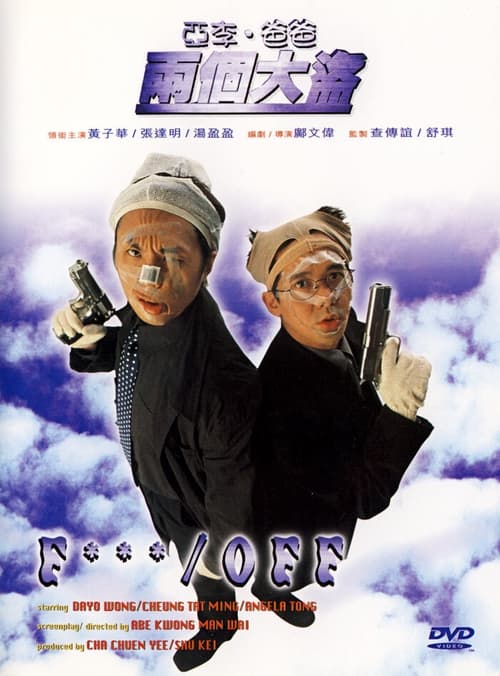
F***/Off
1998
No user ratings available yet
Representation score: 3.1 out of 10
Representation Score
Good
2005
Director
Alan Mak, Felix Chong
Runtime
94 minutes
Average Rating
No ratings yetNew Showbiz Analysis
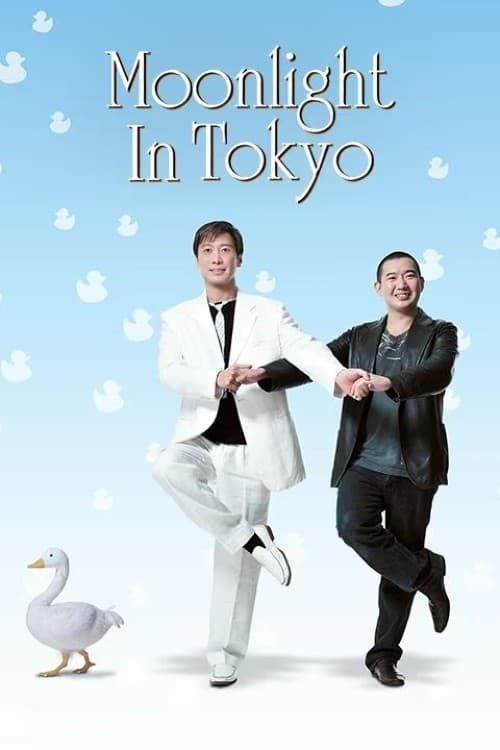
Moonlight in Tokyo offers a nuanced look at characters operating on the fringes of legality. By centering on outsiders, the film disrupts stable moral hierarchies and explores how identity is tied to survival within corrupt institutions. The narrative avoids monolithic clichés by giving ability to act to a neurodivergent protagonist and a female lead who wields systemic control. This creates a complex study of how individuals navigate transactional social environments. While the film excels in portraying unconventional power dynamics and disability, it lacks explicit LGBTQ+ representation, focusing instead on the commercialized romantic frameworks of the escort industry.
Category Breakdown
The film explores the escort industry but does not include explicit LGBTQ+ characters or a critique of the assumption that everyone is straight or cisgender.
Yan, an escort service owner, exercises economic and social authority, disrupting traditional masculine leadership roles.
Set in Tokyo, the film highlights themes of displacement and multi-layered struggle through interactions with Yakuza loan sharks.
The story critiques capitalist structures through the lens of grifters navigating debt and the escort industry, prioritizing survival and situational ethics.
Jun, a character with intellectual impairment, serves as the central engine of the plot, presenting his neurodivergence as a lived reality.
Present on Screen
Limited or Absent
Official Synopsis
Intellectually impaired he might be, Jun (Leon Lai) is only dumb but not silly. Abandoned by his family on a trip to Tokyo with only a few notes in his pocket, he thinks he has found his guardian angel when he bumps into a former classmate, Hoi (Chapman To). But Hoi is no angel at all. He is just a grifter on the run from yakuza loan sharks. When Yan (Yang Kuei-mei), the owner of an escort service, is convinced the ingenuous Jun will mark a perfect gigolo, Hoi decides to transform his pal into Tokyo's most sought-after Lothario in order to eke out a living and to pay his debts.
1998
1989

1996

1997

2007

2002
2001

2015
No reviews yet. Be the first to share your thoughts on this movie!
Use the rating form above to leave a star rating and optional review.