
Sweet Virginia
2017
No user ratings available yet
Representation score: 5.3 out of 10
Representation Score
Fair
2014
RDirector
Jim Mickle
Runtime
109 minutes
Average Rating
No ratings yetNew Showbiz Analysis
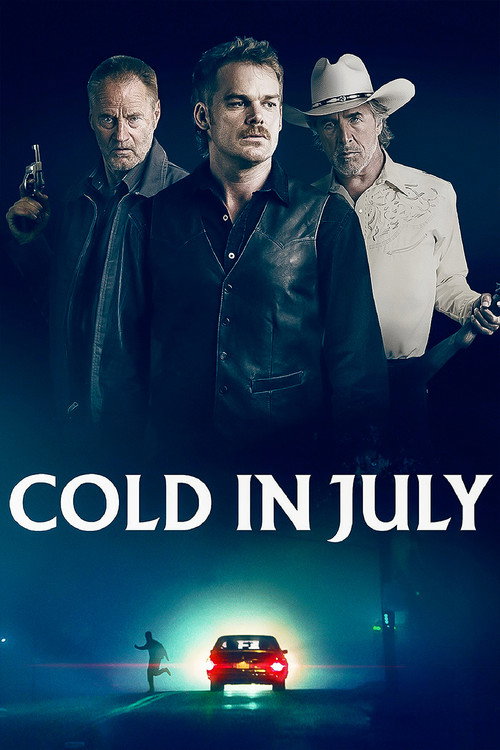
Cold in July is a neo-noir thriller that prioritizes moral ambiguity over traditional heroism. While it succeeds in deconstructing justice systems and providing a nuanced social landscape through diverse casting, it remains tied to traditional genre clichés. The film's strength lies in its refusal to provide clear-cut archetypes, instead focusing on the cyclical nature of violence and systemic dysfunction. However, this complexity is offset by a heavy reliance on masculine-driven narratives and a lack of representation for LGBTQ+ and disabled communities. Ultimately, the work functions as a sophisticated study of situational ethics, even as it maintains a male-dominated social hierarchy.
Category Breakdown
The film adheres to conventional assumptions about straight relationships and gender matching assigned at birth. It does not center on LGBTQ+ identities or feature diverse gender expressions as primary plot drivers.
The story focuses heavily on masculine roles and male bonding. Women play secondary roles, serving as catalysts for male development rather than driving the plot themselves.
Casting includes characters from various backgrounds, moving beyond a primarily white perspective. The inclusion of characters of color avoids the homogeneity typical of 1980s crime dramas.
The film blurs the lines between law enforcement and criminality using moral relativism. It challenges traditional social orders by showing characters operating outside the law.
There is no prominent depiction of visible or invisible disabilities. Psychological trauma serves as a plot driver rather than exploring lived experiences with disabilities.
Present on Screen
Limited or Absent
Official Synopsis
While investigating noises in his house one balmy Texas night in 1989, Richard Dane puts a bullet in the brain of a low-life burglar. Although he’s hailed as a small-town hero, Dane soon finds himself fearing for his family’s safety when Freddy’s ex-con father rolls into town, hell-bent on revenge.
2017
2007

2005
1995
2008
2017
2011

2004
No reviews yet. Be the first to share your thoughts on this movie!
Use the rating form above to leave a star rating and optional review.