Shirley
2020
No user ratings available yet
Representation score: 9.4 out of 10
Representation Score
Fair
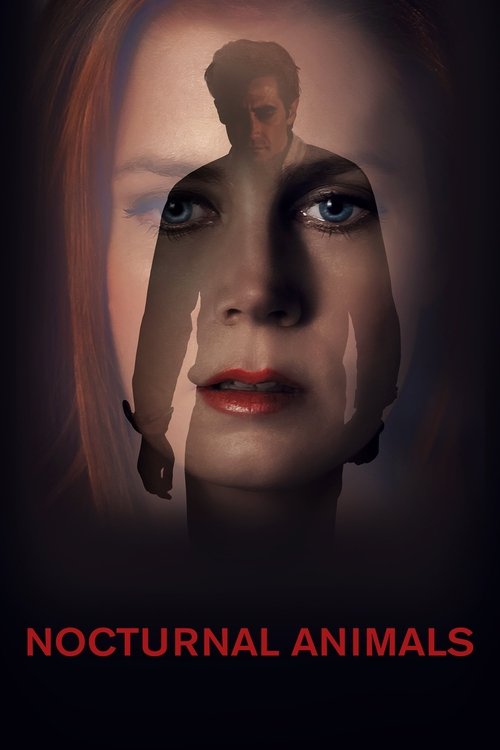
2016
RDirector
Tom Ford
Runtime
116 minutes
Average Rating
No ratings yetNew Showbiz Analysis
Nocturnal Animals is a sophisticated postmodern work that prioritizes psychological depth and aesthetic critique over broad demographic representation. It succeeds in challenging conventional expectations of heroes and family units. The film's strength lies in its ability to deconstruct traditional gender roles and critique Western capitalist structures. However, it lacks significant racial and LGBTQ+ inclusion. Its narrative architecture remains centered on a homogeneous demographic, limiting its breadth of representation.
Category Breakdown
The film does not include explicit LGBTQ+ characters or storylines. It focuses on the dissolution of a traditional marriage and gendered violence rather than non-cisgender identities.
Susan Morrow challenges traditional domestic roles as a high-status professional. The secondary narrative deconstructs masculinity by removing the male lead's protector status and his ability to take action.
The casting is predominantly white and upper-class. The story emphasizes socioeconomic differences over racial diversity in urban and rural settings.
The film critiques Western institutions and capitalist stability. It portrays the family unit as fragmented and failing rather than as a stabilizing force.
There is no significant representation of visible or invisible disabilities. While psychological trauma is central, neurodivergence and physical disabilities are not used as themes.
Present on Screen
Limited or Absent
Official Synopsis
Susan Morrow receives a book manuscript from her ex-husband – a man she left 20 years earlier – asking for her opinion of his writing. As she reads, she is drawn into the fictional life of Tony Hastings, a mathematics professor whose family vacation turns violent.
2020
2004

2015

2006

2016
2014
2017

2020
No reviews yet. Be the first to share your thoughts on this movie!
Use the rating form above to leave a star rating and optional review.