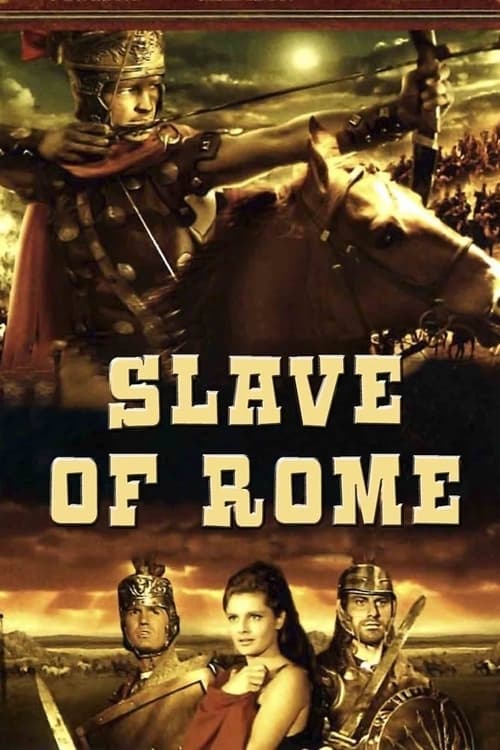
Slave of Rome
1961
No user ratings available yet
Representation score: 1.8 out of 10
Representation Score
Limited
1960
NRDirector
Sergio Grieco
Runtime
110 minutes
Average Rating
No ratings yetNew Showbiz Analysis
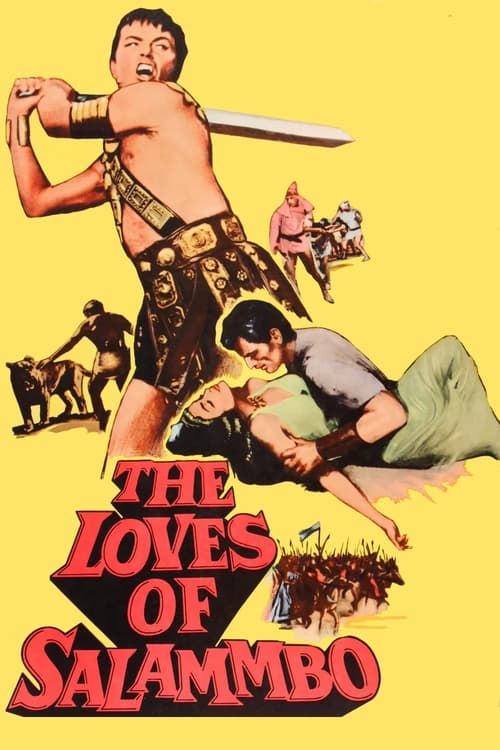
The Loves of Salammbo is a traditional 1960s historical epic. It succeeds in offering a more diverse visual landscape compared to many Western productions of its time. While Salammbô is a powerful female lead, the narrative remains anchored in classical melodrama. The central conflicts are driven by male-centric power struggles and romantic tension. The film prioritizes grand-scale historical storytelling over the deconstruction of social hierarchies.
Category Breakdown
The film focuses on a heterosexual relationship between Salammbô and Mathô. There are no characters with non-cisgender identities or same-sex relationships.
Salammbô holds significant religious and social authority as a high priestess. However, her influence is often directed towards male-driven conflicts and romantic pursuits.
The North African setting provides a visually diverse environment with various ethnicities. The cast includes diverse mercenary groups, moving away from the homogeneous Western European archetype.
The plot explores tensions between religious institutions and mercenaries. It functions as a historical melodrama centered on duty and honor, rather than a critique of systemic issues.
There is no representation of physical or neurodivergent disabilities among the characters or supporting cast.
Present on Screen
Limited or Absent
Official Synopsis
During the 3rd century B.C. a horde of barbarians are hired by the Phoenian city of Carthage to fight against the Roman empire, but when the city's ruler is unable to fulfill the promised payment made to the mercenaries, they attack the African settlement, where Salammbô --the king's daughter and high priestess of goddess Tanit- tries to settle the matter when the Barbarian leader who has fallen for her steals the sacred veil of Carthage from the temple, without taking into account the evil schemes of a powerful member of the council of wise men.
1961
1959
1960

2010
1961
2019

1967
2011
No reviews yet. Be the first to share your thoughts on this movie!
Use the rating form above to leave a star rating and optional review.