
Katinka
1988
No user ratings available yet
Diversity score: 4.8 out of 10
1994
Not RatedDirector
Ann Turner
Runtime
97 minutes
Average Rating
No ratings yetSynopsis
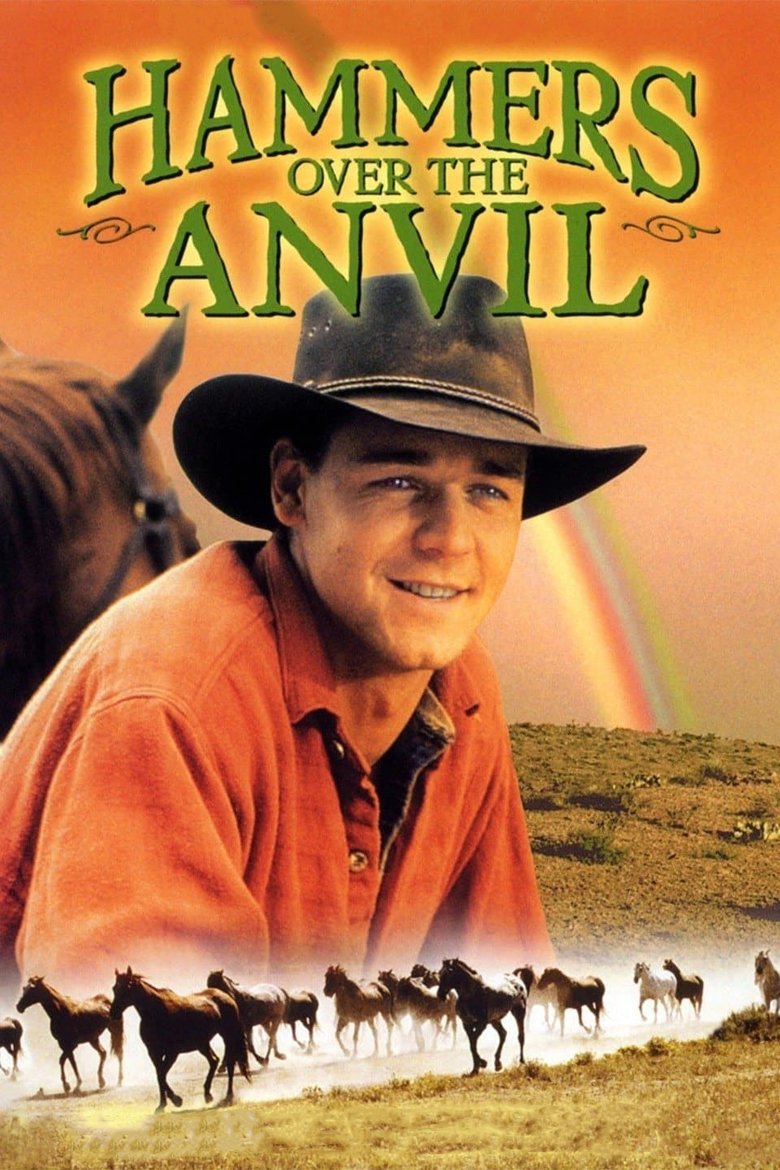
Set in the summer of 1910 in Australia the film follows the story of 14 year old Alan Marshall (Alexander Outhread) as he stumbles out of childhood towards the exciting yet forbidding world of adulthood. For Alan, despite the effects of polio, there is only one passion in life - to become a great horseman just like his hero, the reclusive horse trainer East Driscoll (Russell Crowe). Alan is one of East's few friends and also one of the few who knows about the affair between East and the aristocratic English woman Grace McAlister (Charlotte Rampling). Things inevitably take a turn towards the tragic when East becomes determined to force Grace to leave her husband and run away with him. Hammers Over The Anvil is an evocative coming of age film from Australian director Ann Turner.
Overall Score
Good
Category Breakdown
LGBTQ+ Representation
The film focuses on a clandestine affair that disrupts marital sanctity. While the central conflict is heteronormative, the narrative explores forbidden connections and non-traditional relational structures.
Gender Representation
Grace McAlister's agency and emotional complexity drive the story. The film subverts patriarchal tropes by portraying the male lead, East, through his volatile obsessions rather than stable leadership.
Racial & Ethnic Diversity
Set in 1910 Australia, the cast appears largely Anglo-Saxon. The narrative lacks significant non-white agency, reflecting the historical homogeneity of the era's social hierarchies.
Religious & Cultural Diversity
The story prioritizes individual passion over institutional stability. It critiques Western social structures and marriage by framing them as obstacles to authentic human connection.
Disability Representation
Alan Marshall navigates life with the effects of polio. The film avoids tropes by granting him significant agency and passion rather than treating his disability as a passive burden.
Strengths
Areas for Improvement
AI Analysis
Ann Turner’s film offers a nuanced look at individual agency fighting against rigid social and physical constraints. It succeeds by subverting traditional domestic stability and providing a respectful, active portrayal of a character with a physical disability. However, the film is limited by its historical setting, which results in a lack of racial diversity. The narrative remains largely centered on Anglo-Saxon social hierarchies and heteronormative conflicts. Ultimately, the work excels in its character-driven exploration of autonomy, even while remaining within the demographic confines of its 1910 Australian backdrop.
1988

1999
1995
2001
1986

2014

2006
2018
1937
2000
1957
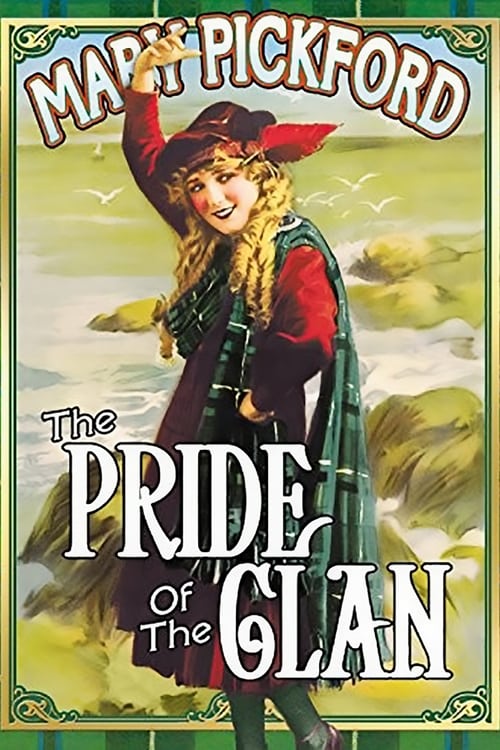
1917
No reviews yet. Be the first to share your thoughts on this movie!
Use the rating form above to leave a star rating and optional review.