
Anna Karenina. Vronsky's Story
2017
No user ratings available yet
Diversity score: 5.4 out of 10
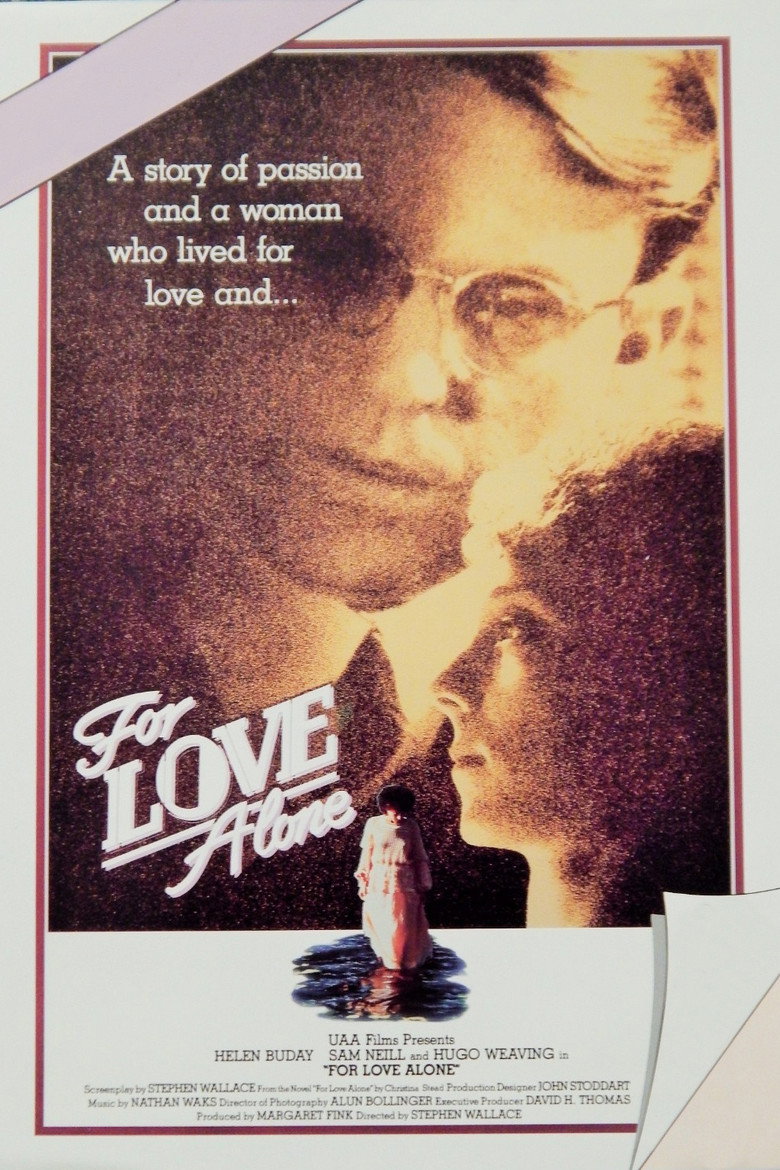
1986
Director
Stephen Wallace
Runtime
102 minutes
Average Rating
No ratings yetSynopsis
Teresa is a spirited young girl chafing under the oppressive attitudes of 1930s society, and her father in particular. She fancies her poverty-stricken Latin tutor Johnathan Crow, without realising he merely considers her a pleasant diversion and nothing more, and eventually follows him from Sydney to London. En route she meets the gentle banker James Quick. Whilst navigating her relationships in London, including with a political poet bound for the Spanish Civil War, she experiences a transformation in her understanding of love. Based upon Christina Stead's best-selling Australian novel.
Overall Score
Fair
Category Breakdown
LGBTQ+ Representation
The story centers on heterosexual romantic pursuits between Teresa and her male suitors. There is no evidence of queer identities or subtext within the narrative.
Gender Representation
Teresa acts as a spirited protagonist who resists the oppressive feminine roles of the 1930s. Her journey emphasizes female autonomy and personal agency.
Racial & Ethnic Diversity
The presence of a Latin tutor introduces ethnic diversity into the character dynamics. This provides a departure from a purely homogeneous cast.
Religious & Cultural Diversity
The film engages with political upheaval and the Spanish Civil War. It explores the friction between individual rebellion and established social structures.
Disability Representation
The narrative contains no mention of characters with visible or invisible disabilities.
Strengths
Areas for Improvement
AI Analysis
For Love Alone explores the tension between individual desire and the rigid social hierarchies of the 1930s. The film finds its strength in Teresa's refusal to conform to patriarchal expectations, portraying a woman who actively pursues her own path across continents. While the film offers meaningful gender agency and engages with significant political themes, it remains anchored in traditional romantic frameworks. The focus on heterosexual entanglements and the period setting limits the breadth of its social representation. Ultimately, the film serves as a study of personal transformation against a backdrop of systemic constraints, prioritizing character-driven rebellion over a diverse spectrum of identities.
2017

1999

2008

1962

1980
2021
1971

1999

1967
2010
1938

1988
No reviews yet. Be the first to share your thoughts on this movie!
Use the rating form above to leave a star rating and optional review.