Everything You Want
2017
No user ratings available yet
Representation score: 7.5 out of 10
Representation Score
Good
2019
Director
Sergio Rubini
Runtime
113 minutes
Average Rating
No ratings yetNew Showbiz Analysis
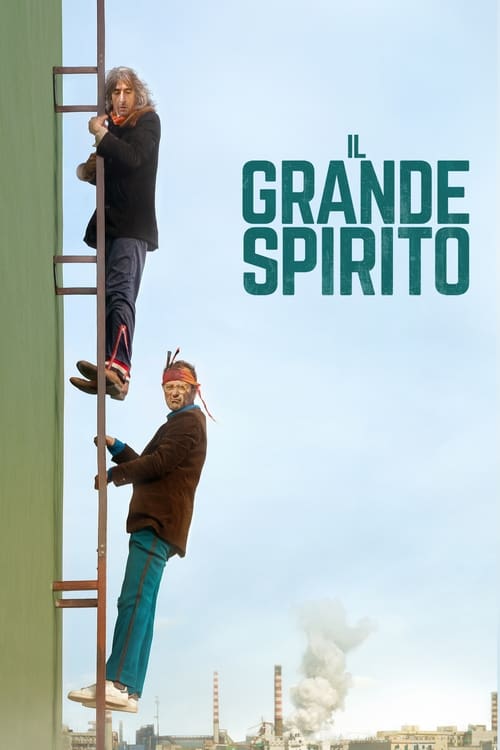
The Great Spirit is a character-driven dramedy that explores the edges of social norms. By focusing on a thief and an eccentric, the film avoids typical heroic clichés and delves into moral relativism and unconventional bonds. Though the film doesn’t broadly represent diverse demographics, it successfully dismantles traditional archetypes. Using an industrial, working-class setting, it critiques systemic pressures and institutional authority, favoring a subjective view of identity and morality. Ultimately, the film examines outsiders. It challenges viewers to rethink normalcy by highlighting characters who exist beyond conventional social and legal structures.
Category Breakdown
The film doesn't include explicit LGBTQ+ characters or non-straight relationships. Instead, it focuses on an unusual friendship between two men.
Male characters drive the story, but the film challenges traditional masculinity. Tonino shows vulnerability, while Renato embodies a non-conforming identity that defies societal norms.
Renato identifies as a Sioux Indian, exploring his identity through a psychological lens within an industrial environment. This internal perspective highlights the 'other' in society.
The film critiques industrial capitalism and social order through its working-class setting. It emphasizes personal transformation and situational ethics over traditional moral codes.
Renato represents neurodivergence or psychological uniqueness. The film gives him significant influence by making the plot revolve around his non-standard perception of reality.
Present on Screen
Limited or Absent
Official Synopsis
In a neighbourhood on the outskirts of Taranto, high upon the rooftops framed by the Ilva steel factory, we meet Tonino a.k.a. “Barboncino” (poodle). Tonino has just committed a robbery and, in a moment of foolishness, fled from his accomplices, taking the entire loot for himself. He escapes upward, clambering from roof to roof, until he can go no further and must take refuge in an old water tank. Here he finds Renato, a strange and eccentric man who believes he is an American Indian from the Sioux tribe. Trapped with no other choice, Tonino is forced to team up with Renato. A strange and crazy friendship is formed, and Tonino learns to see things from a very different perspective.
2017

2010
2019
1991

2019
1999

2008

2018
No reviews yet. Be the first to share your thoughts on this movie!
Use the rating form above to leave a star rating and optional review.