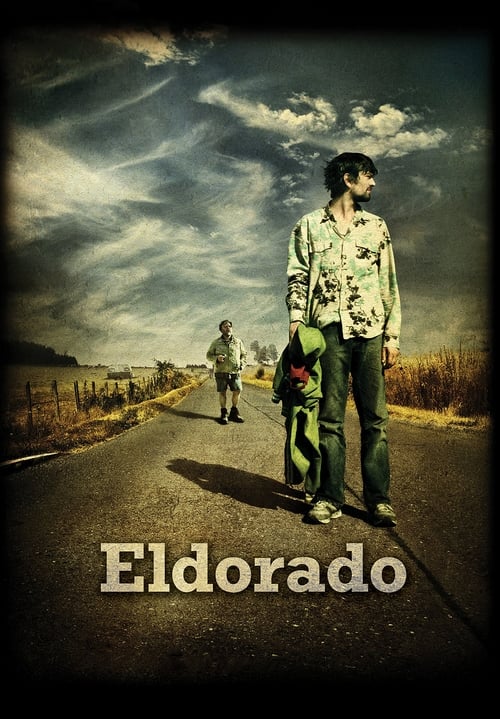
Eldorado
2008
No user ratings available yet
Representation score: 5.2 out of 10
Representation Score
Fair
1999
Director
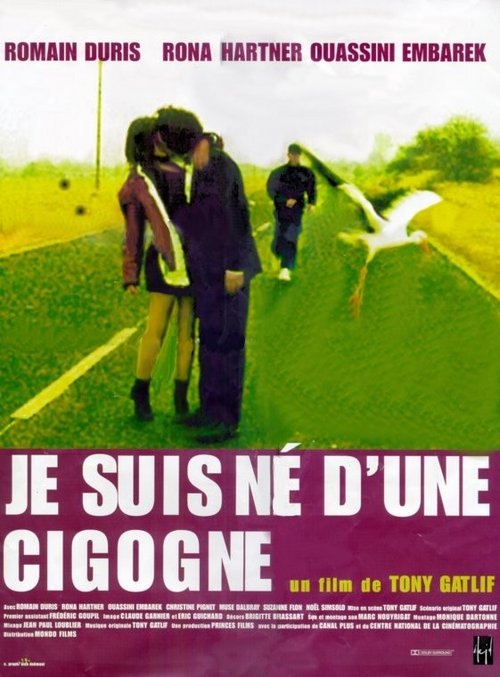
Tony Gatlif
Runtime
80 minutes
Average Rating
No ratings yetNew Showbiz Analysis
Children of the Stork employs magical realism to explore themes of displacement and the subversion of state authority. By following a stork that has deserted the Algerian army, the film critiques military institutions and national borders through a lens of movement and unconventional companionship. The film stands out for its strong thematic critique of post-colonial power dynamics and state-imposed hierarchies. It effectively uses magical realism to represent systemic displacement and prioritizes the perspective of the outsider, highlighting systemic displacement through a metaphorical refugee. However, the film lacks specific visibility regarding LGBTQ+ identities or disability representation. The narrative focus remains primarily on male-centric dynamics and anti-institutional sentiment.
Category Breakdown
The film focuses on three male friends and does not explicitly address queer identities or romantic orientations.
The story revolves around a male-centric friendship, challenging traditional masculine stereotypes by depicting characters who reject state authority and conventional social roles.
The film highlights Algerian identity and desertion themes, suggesting a deep integration of North African and Romani perspectives.
Using magical realism, the film critiques military and state structures, promoting a narrative of mobility that challenges nationalist ideas of borders and property.
There is no evidence of the portrayal of physical or neurodivergent disabilities in the film.
Present on Screen
Limited or Absent
Official Synopsis
Three French pals take to the road in a stolen car and discover a talking, wounded stork — who claims to have deserted the Algerian army — and help it to escape to the home of a relative in Germany.
2008

2010
2000

2019
1998

1998

2009

2002
No reviews yet. Be the first to share your thoughts on this movie!
Use the rating form above to leave a star rating and optional review.