Major League: Back to the Minors
1998
No user ratings available yet
Diversity score: 2.2 out of 10
1978
PGDirector
John Berry
Runtime
92 minutes
Average Rating
No ratings yetSynopsis
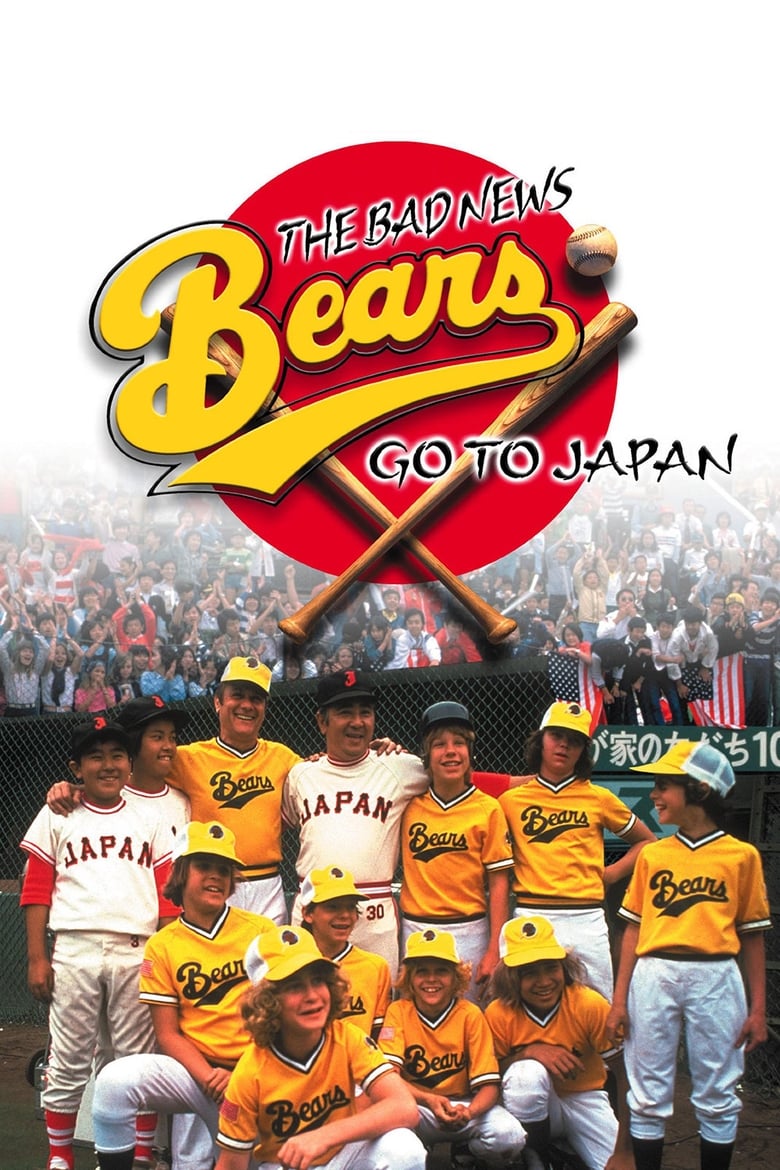
A small time promotor/hustler takes the pint-sized baseball team to Japan for a match against the country's best little league baseball team which sparks off a series of adventures and mishaps the boys come into.
Overall Score
Limited
Category Breakdown
LGBTQ+ Representation
The film contains no visible LGBTQ+ characters or non-cisnormative identities. It remains centered on the heteronormative social structures typical of 1970s studio comedies.
Gender Representation
The story focuses almost exclusively on a male-dominated youth baseball environment. Female characters are peripheral and lack the agency to influence the plot or challenge masculine-centric culture.
Racial & Ethnic Diversity
A Japanese cast populates the local community and opposing team, providing ethnic inclusion. However, these characters primarily serve as a foil to highlight the American protagonists' chaotic nature.
Religious & Cultural Diversity
The narrative relies on the clash between Western spontaneity and Eastern structure. It explores cultural differences through a lighthearted lens rather than offering a systemic critique of either society.
Disability Representation
There are no prominent depictions of visible or invisible disabilities. No characters utilize neurodivergence or disability as a central component of their identity or agency.
Strengths
Areas for Improvement
AI Analysis
The film functions as a traditional sports comedy that utilizes the 'culture shock' trope to drive its narrative. It prioritizes comedic friction between American individualism and Japanese discipline over deep character development or social critique. Representation is largely defined by the era's conventions. The film relies on a binary view of cultural differences, using the Japanese setting to highlight the rowdy, free-wheeling nature of the American team. Ultimately, the work lacks the intentionality required to disrupt established social norms. It maintains a traditionalist approach to storytelling, centering on male camaraderie and conventional social hierarchies.
1998

2013
1998
1950

2009
1962
2006
1978
1949

1958
2001
1926
No reviews yet. Be the first to share your thoughts on this movie!
Use the rating form above to leave a star rating and optional review.